A polypropylene absorbent is the material most maintenance managers reach for first when oil, fuel, or a chemical spill hits the floor. It’s the synthetic fiber behind most oil-only pads, rolls, socks, and booms sold today, and it works because of one simple property: polypropylene grabs oil and repels water at the same time. That single trait is why it dominates auto shops, manufacturing plants, and hazmat spill kits across the country.
This guide breaks down how polypropylene absorbents actually work, where they outperform natural alternatives like clay and cellulose, which product formats fit which spills, and how to buy, use, reuse, and dispose of them correctly. If you’re specifying absorbent material for a facility, a fleet yard, or an emergency response kit, this covers what you need before you place a bulk order.
What Is Polypropylene Absorbent?
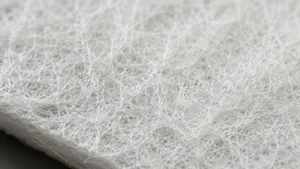
Polypropylene absorbent is a nonwoven or meltblown synthetic fiber engineered specifically to soak up liquids. The fiber is hydrophobic (water-repelling) and oleophilic (oil-attracting) in its natural, untreated state, which means it pulls oil-based liquids into its fiber structure while floating on or shedding water. That’s why an untreated polypropylene pad tossed into a puddle with an oil sheen will pick up the oil and leave the water behind — a property natural fibers like cotton or cellulose simply don’t have.
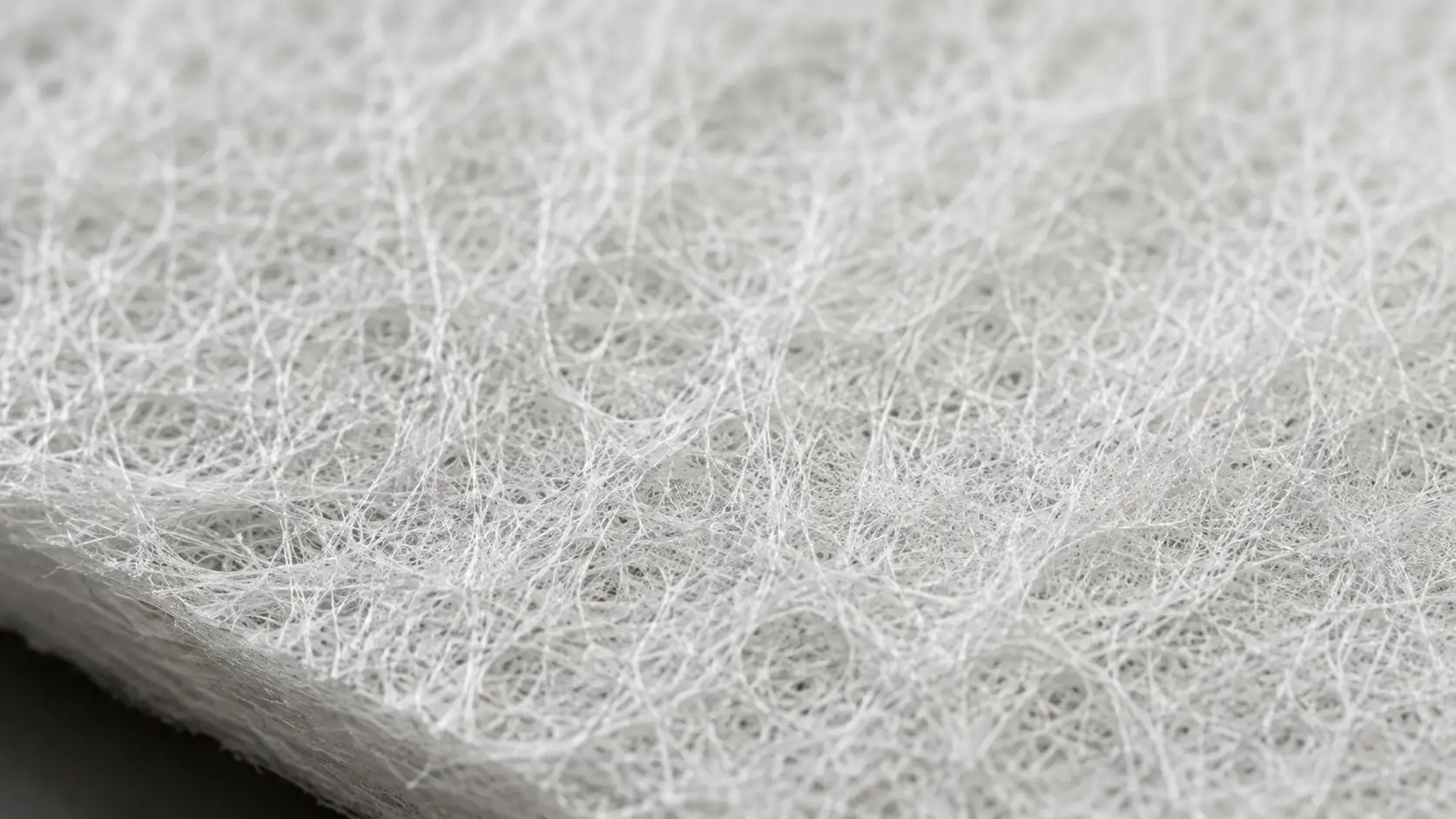
Manufacturers produce polypropylene absorbent in two main fiber structures: meltblown and needle-punched (staple) nonwoven. Meltblown fibers are finer, more tightly packed, and generally deliver higher absorbent capacity per pound of material, which is why premium oil-only pads and heavy-duty rolls lean on meltblown construction. Needle-punched polypropylene is coarser and more durable under foot traffic or abrasion, making it common in mats and rolls meant to sit on a shop floor for weeks at a time.
When a surfactant is applied during manufacturing, polypropylene fiber loses its water-repelling bias and becomes a universal or general-purpose absorbent capable of picking up water-based liquids, coolants, and unknown fluids alongside oil. That single treatment step is the dividing line between an oil-only absorbent and a universal absorbent, and it’s the first spec question to answer before ordering.
How Polypropylene Absorbents Work
The absorption happens through capillary action combined with surface chemistry. Polypropylene’s molecular structure has a low surface energy that naturally repels polar molecules like water, while its porous fiber network provides enormous surface area for nonpolar oil molecules to adhere to and get drawn deep into the material. A single pound of quality meltblown polypropylene can absorb roughly 10 to 20 times its own weight in oil, depending on fiber density and the viscosity of the liquid involved.
Viscosity matters more than most buyers expect. Thin fluids like diesel or hydraulic oil wick into the fibers almost instantly, while thicker fluids like heavy gear oil or grease absorb more slowly and may need a longer dwell time or a coarser-fiber product to fully saturate. This is why spec sheets list absorbent capacity as a range rather than a single number — actual performance shifts with the liquid you’re cleaning up.
Chemical resistance is the other half of the performance story. Polypropylene holds up against a wide range of corrosives, oxidizers, acids, and bases without breaking down or degrading, which is why it’s the default fiber for chemically resistant absorbent products used outside pure petroleum applications. Cellulose and cotton-based absorbents, by contrast, can degrade or react with aggressive chemicals, which limits where they can safely be used.
This resistance traces back to polypropylene’s underlying polymer chemistry — a low-reactivity thermoplastic detailed in Protolabs’ polypropylene material overview, which explains why the polymer resists degradation from the same chemical classes found in industrial spills.
Common Uses of Polypropylene Absorbents
Automotive and Fleet Maintenance
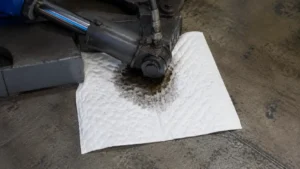
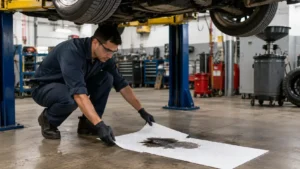
Auto repair shops, dealership service bays, and fleet maintenance yards are the highest-volume users of polypropylene absorbent. Oil changes, transmission fluid swaps, and hydraulic leaks under lifts all generate small, frequent spills that a stack of absorbent pads handles faster than a mop and bucket. Many shops keep a roll mounted at each bay so a technician can tear off exactly the length needed.
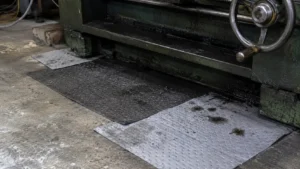
Fleet yards use heavier oil-only rolls and mats under parked trucks and equipment to catch slow drips overnight, then swap the material on a weekly schedule instead of letting oil pool on concrete. This keeps floors from staining and reduces slip hazards during shift changes.
Industrial and Manufacturing Facilities
Plants running hydraulic presses, compressors, and CNC machinery rely on polypropylene socks and pillows to contain chronic leak points at pumps, fittings, and machine bases. Socks are typically wrapped around a leaking pipe or placed as a berm around equipment, while pillows sit under a specific drip point that’s too small or awkward for a full pad.
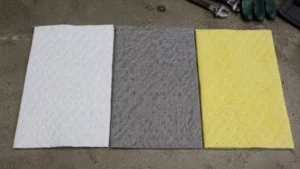
Facilities handling both oils and process chemicals often stock two absorbent types side by side: oil-only polypropylene for petroleum leaks and treated universal polypropylene for washdown water, coolant, or mixed spills. Color-coding — white for oil-only, gray or yellow for universal or hazmat — helps crews grab the right product under time pressure.
Emergency and Hazmat Spill Response
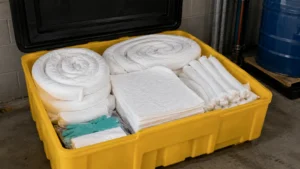
Polypropylene absorbent booms and pads are core components of nearly every commercial spill kit, from a 5-gallon vehicle kit to a full drum-sized hazmat spill kit staged at a loading dock. Booms are deployed first to contain and stop the spread of a liquid spill, then pads or granular polypropylene finish the cleanup inside the contained area.
First responders and environmental crews favor polypropylene for chemical incidents specifically because of its resistance to acids, caustics, and solvents — materials that would degrade a cardboard or clay-based sorbent on contact. Chemically resistant polypropylene pads are typically labeled yellow to distinguish them from oil-only white pads in a mixed inventory.
Polypropylene Absorbent Product Formats
Polypropylene absorbent is manufactured into several formats, each suited to a different spill shape and location. Choosing the right format matters as much as choosing the right fiber grade — a pad won’t contain a moving spill the way a boom will, and a sock is the wrong tool for mopping up a wide, shallow puddle.
| Format | Best For | Typical Use |
| Pads | Flat spills, wipe-downs, drip catching | Workbenches, under equipment, general shop use |
| Rolls | Long runs, walkways, perforated for tear-off | Shop floors, aisles, high-traffic areas |
| Socks | Leak points, perimeter containment | Around machinery, under pipes, doorway berms |
| Booms | Containing and stopping spreading liquid | Spill response, floating on water, loading docks |
| Pillows | Small, high-volume drip points | Under valves, sumps, drum storage areas |
Most facilities run a mixed inventory: rolls for general floor coverage, pads for workstations and quick wipe-downs, and a set of socks or booms held in reserve for containment emergencies. Buying pre-assembled spill kits is often the fastest way to get a balanced starting inventory without guessing at ratios.
Polypropylene vs. Natural Absorbents
Clay, cardboard, and cellulose-based absorbents are still common, mostly because they’re cheap, but they carry real drawbacks polypropylene doesn’t. Clay granules add their own weight and volume to the spill they’re cleaning up, meaning a facility ends up disposing of more total material than the amount of oil actually spilled. Clay also dusts during application and can be tracked through a facility on foot traffic and equipment tires.
Cardboard and cellulose absorbents soak up water readily, which is a problem in wet or humid environments where they saturate with ambient moisture before ever touching the target spill, cutting their effective oil capacity. They also tend to disintegrate under heavier fluids or repeated compression, unlike polypropylene fiber, which holds its structure even when fully saturated.
Polypropylene’s advantage comes down to three measurable differences: higher absorbent capacity per pound, no added disposal volume since the fiber itself is lightweight, and the ability to selectively target oil without absorbing standing water first. For facilities disposing of absorbent waste by weight or volume, that difference shows up directly in disposal costs over a year of use.
Reusing and Wringing Out Polypropylene Absorbents
One advantage polypropylene has over single-use natural absorbents is that certain grades can be wrung out and reused multiple times before disposal. This works best with heavier oils and fluids that don’t chemically bond to the fiber — light hydraulic oil or diesel wrings out cleanly, while heavier grease or tar-like residues are harder to fully extract and may only allow one or two reuse cycles.
To wring out a polypropylene pad or roll, use a mechanical wringer or manually twist the material over a designated waste container, recovering the liquid for proper disposal or, in some cases, fuel blending. Reused material should be inspected each time for tearing, matting, or loss of loft — once the fiber structure compresses and stops springing back, its absorbent capacity has dropped enough that replacement is more economical than continued reuse.
A practical rule many facilities follow: track reuse cycles by batch and retire pads after three to five wring-outs, or sooner if visible degradation shows up. This keeps absorbent performance predictable instead of guessing at how much capacity is left in a well-worn pad.
How Much Polypropylene Absorbent Do You Need?
Sizing an order starts with your facility’s typical spill volume and frequency, not just square footage. A shop with two lifts doing routine oil changes needs a steady supply of pads and a roll per bay, while a plant with several chronic leak points needs socks and pillows stationed permanently at those locations plus a rotating stock of pads for general cleanup.
As a starting benchmark, a standard 15-inch by 19-inch oil-only pad absorbs roughly a quart to half a gallon of oil depending on viscosity and fiber density, so a facility generating an estimated 5 gallons of oil drips per week needs somewhere around 10-20 pads weekly, plus a buffer for larger unplanned leaks. Bulk buyers typically order in cases of 100 or 200 to cover a month or more, which also brings the per-unit cost down significantly versus small-box purchasing.
For containment planning, boom length should exceed the widest expected spill by at least a few feet on each side, and sock length should be enough to fully encircle the equipment or leak point it’s protecting. When in doubt, oversizing an initial bulk order is cheaper than running out mid-shift and improvising with the wrong material.
Disposing of Used Polypropylene Absorbents
Disposal depends entirely on what the absorbent picked up. Polypropylene that absorbed non-hazardous oils — most used motor oil, hydraulic fluid, or lubricants in most US states — can typically go into regular solid waste or a landfill once it’s no longer dripping, though local and state regulations vary and should be confirmed before assuming this applies to your facility.
Absorbents that picked up hazardous materials — solvents, certain fuels, or anything meeting RCRA hazardous waste characteristics — must be handled as hazardous waste, which usually means incineration or disposal through a licensed hazardous waste hauler. Some facilities send oil-saturated polypropylene to fuel-blending facilities instead, where the recovered energy value offsets disposal cost; this option depends on regional availability and the specific fluid absorbed.
Before setting a disposal policy, run a quick hazard check: confirm what liquids the absorbent contacted, check whether your state classifies used oil absorbents as hazardous or non-hazardous, and keep documentation if a hauler removes hazardous material from your site. Getting this wrong is one of the more common compliance gaps at facilities that treat all used absorbent the same way regardless of what it soaked up.
The Pesticide Environmental Stewardship Program’s sorbent guidance is a useful reference for how spill-response programs classify sorbent waste streams before disposal.
Buying Polypropylene Absorbents in Bulk
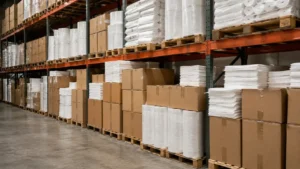
For B2B buyers, unit price drops fast once you move from single boxes to case and pallet quantities, so it’s worth calculating annual usage before placing a first order. A facility that knows it burns through 300 pads a month is almost always better off on a case or pallet contract than repeat small-box purchases, even accounting for storage space.
When comparing suppliers, weigh absorbent capacity per unit against price per unit rather than price alone — a cheaper pad that holds half the oil of a premium meltblown pad isn’t actually cheaper once you account for how many more you’ll go through.
AbsorbentX stocks both meltblown and needle-punched polypropylene formats in bulk, including oil absorbent pads for general shop use and oil-only absorbent pads engineered for pure hydrocarbon spill response, both sized for case and pallet ordering.
If your facility handles both petroleum and non-petroleum liquids, ask suppliers whether they offer mixed pallets or split shipments so you’re not overstocked on one absorbent type and short on the other. Many manufacturers, including AbsorbentX, will also advise on product mix based on your specific spill history rather than a generic starting kit.
Related Absorbent Resources
Polypropylene is one piece of a broader spill-control program. For related guidance, see our guides on oil absorbents, universal absorbents and their limits, and spill kit types and contents for building out a complete facility response plan.
Frequently Asked Questions
Is polypropylene absorbent the same as oil-only absorbent?
Untreated polypropylene absorbent is oil-only by default because its fiber structure naturally repels water. It only becomes a universal absorbent capable of picking up water-based liquids after a surfactant treatment is applied during manufacturing, so always check the product label for “oil-only” versus “universal” or “general purpose” before buying.
Can you wash and reuse polypropylene absorbent pads?
Certain grades can be wrung out and reused, especially for lighter oils that don’t bond permanently to the fiber. Heavier grease and tar-like residues are harder to fully extract, and any pad showing tearing, matting, or reduced springback should be retired rather than reused further.
Is polypropylene absorbent hazardous waste?
The polypropylene fiber itself is not hazardous, but disposal classification depends on what it absorbed. Absorbent saturated with non-hazardous used oil can often go into regular waste streams, while absorbent that contacted hazardous chemicals or certain fuels must be disposed of as hazardous waste under state and federal rules.
What’s the difference between meltblown and needle-punched polypropylene?
Meltblown polypropylene uses finer, more tightly packed fibers that generally deliver higher absorbent capacity per pound, making it common in premium pads. Needle-punched (staple) polypropylene is coarser and more durable under foot traffic, which is why it’s often used in rolls and mats that stay on a floor for extended periods.
How much oil can a polypropylene pad absorb?
A standard 15″ x 19″ pad typically absorbs roughly a quart to half a gallon of oil depending on the fiber density and the viscosity of the liquid, with premium meltblown pads generally on the higher end of that range. Thinner fluids like diesel absorb faster and more completely than thick fluids like gear oil or grease.
Does polypropylene absorbent work on chemicals, not just oil?
Yes, chemically resistant polypropylene grades hold up against many corrosives, oxidizers, acids, and solvents without degrading, which is why it’s standard in hazmat spill kits. Always confirm the specific chemical compatibility with the product’s data sheet, since resistance varies by chemical class and concentration.