Blog
This article collection shares practical insights and industry perspectives on industrial spill control and absorbent use.
Liquid Containment Methods for Spills
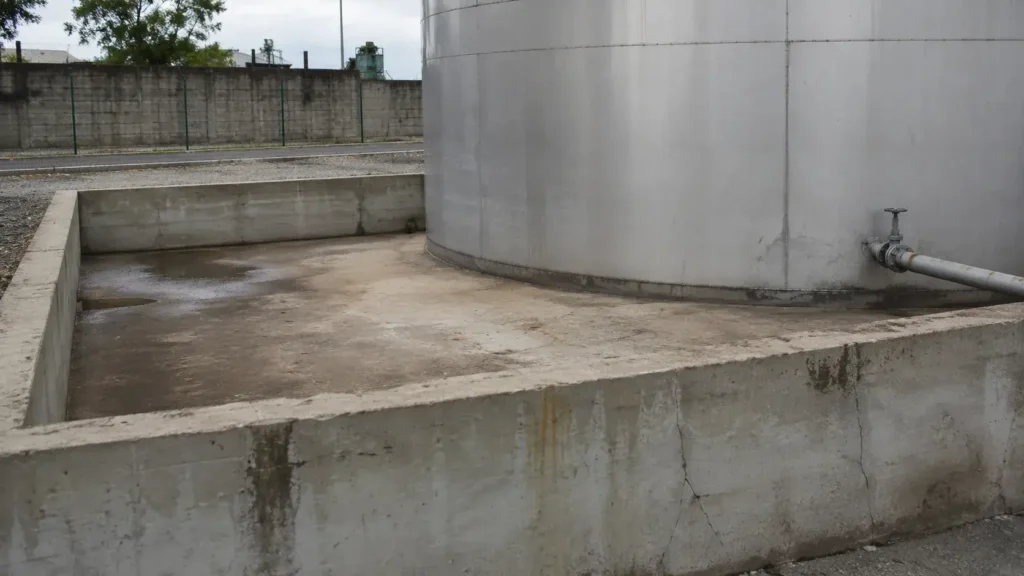
Read moreLiquid containment is any barrier, structure, or method that keeps a liquid from spreading beyond a defined area — away from floor drains, soil, groundwater, and waterways. The term covers far more than oil spill response: it spans the concrete curbing under a chemical storage rack, the drum pallet under a row of totes, the boom deployed around a leaking tanker, and the berm built…

Types of Absorbent Materials and Their Uses
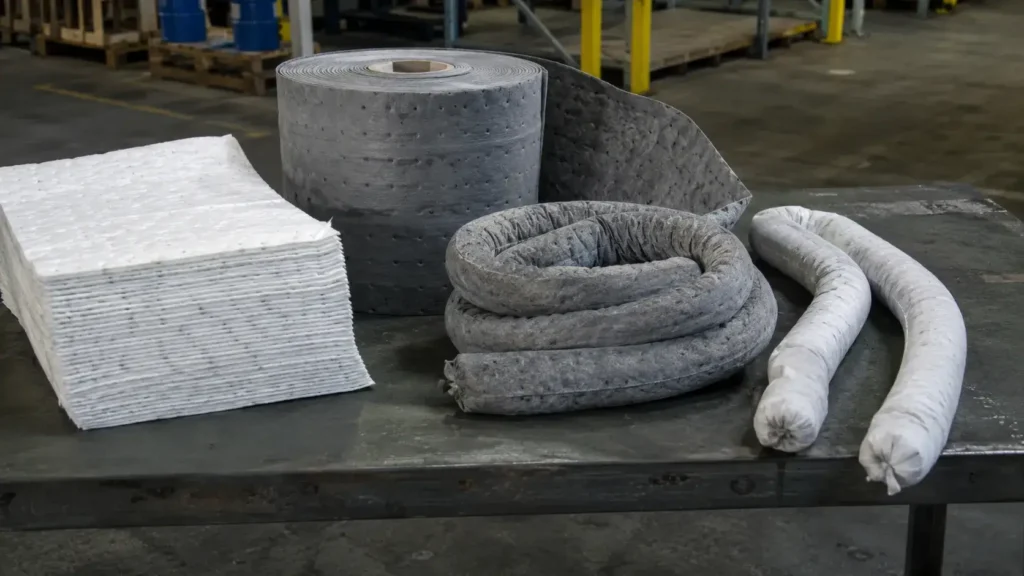
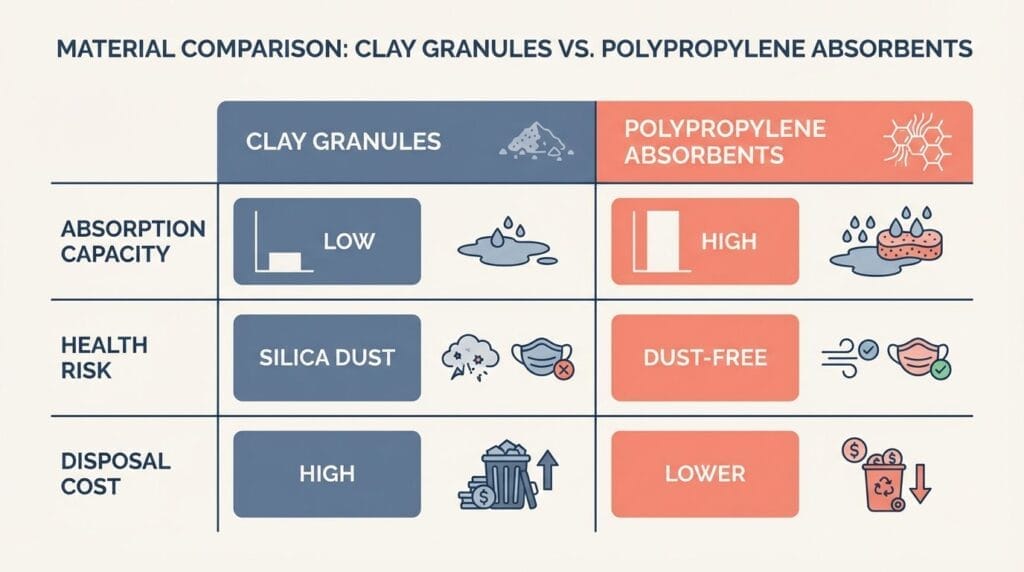
Read moreAbsorbent materials are not interchangeable. A sorbent material that pulls oil off water beautifully can be nearly useless on a battery-acid spill, and a material that soaks up gallons of water in a diaper core will do very little for a hydraulic fluid leak on a warehouse floor. Choosing the wrong absorbent material wastes budget, creates disposal headaches, and on a chemical spill can even…
Oil Sorbent vs Oil Absorbent: What’s the Difference?
Read moreIf you have ever compared spec sheets from two spill-control suppliers, you have probably noticed one calls its product an oil sorbent and another calls the same-looking item an oil absorbent. That is not a marketing accident. Every oil sorbent works by one of two physical mechanisms — adsorption or absorption — and the mechanism a material uses determines how much oil it holds, how…

Sorbent Pads vs Absorbent Pads, What’s the Difference?
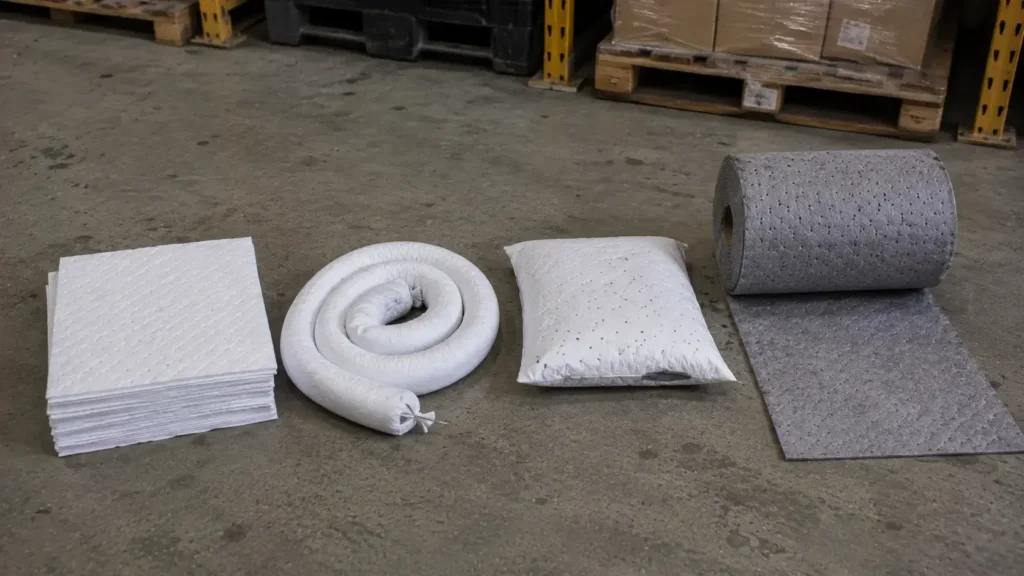
Read moreIf you have shopped for spill control supplies, you have probably noticed that some listings say sorbent pads and others say absorbent pads for what looks like the exact same product. That is not a typo, and it is not two different product lines. In almost every case, sorbent pads and absorbent pads are the same physical item, a bonded sheet of meltblown polypropylene fiber,…
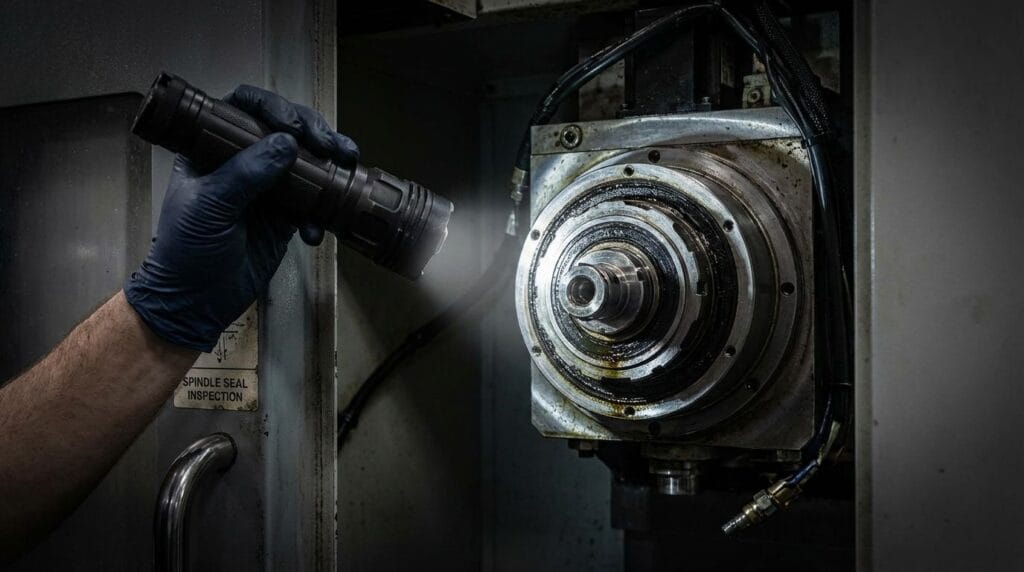
Coolant Spill Cleanup in Workshops
Read moreA coolant spill on a machine shop floor is not the same problem as an oil spill, even though the two get mopped up with the same panic. Most machinists say coolant and mean water-miscible cutting fluid, the milky or translucent liquid that circulates through a CNC mill or lathe to cool the tool and flush chips. That is the coolant this guide is about.…
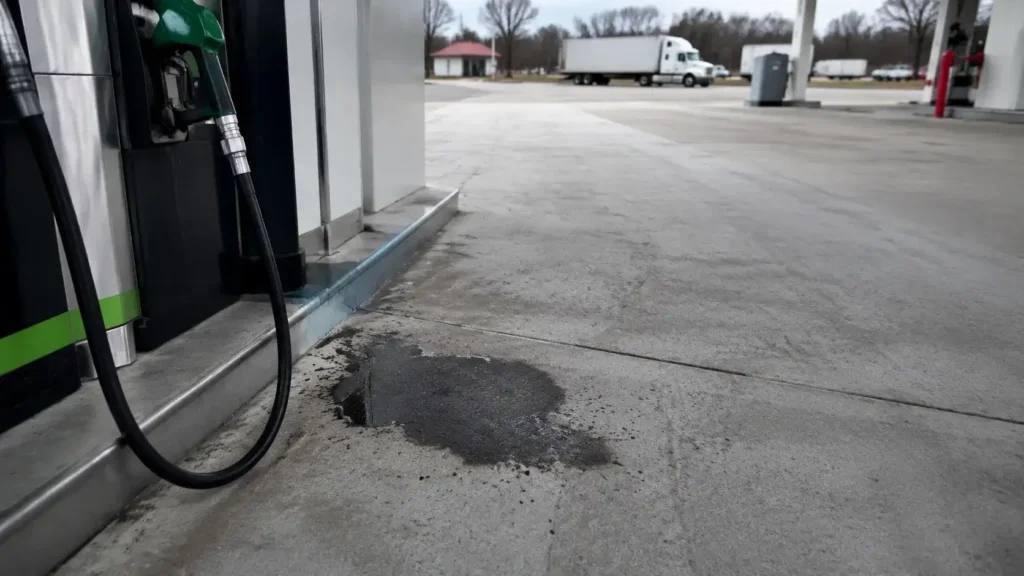
Diesel Spill Cleanup: What to Use and Avoid
Read moreA diesel spill gets treated as the less dangerous cousin of a gasoline spill more often than it should. Diesel does not flash into vapor the way gasoline does, so the adrenaline response is lower and the cleanup often gets slower, sloppier, and less protected than it needs to be. That gap between perceived and actual risk is exactly where diesel spills go wrong —…
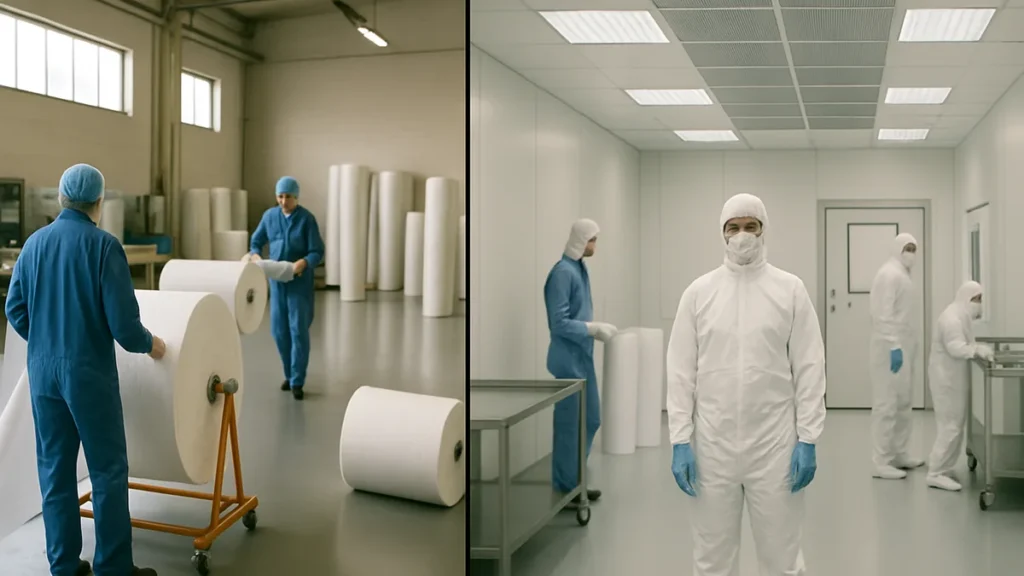
Dust Free vs Cleanroom: What’s the Difference?
Read moreA supplier quotation lands in your inbox and the second line of the spec sheet says “produced in a dust free workshop.” Ten minutes later a competing quote says “manufactured in an ISO Class 8 cleanroom.” The two phrases look like they describe the same thing. They do not. Getting dust free vs cleanroom straight is the difference between taking a supplier at their word…
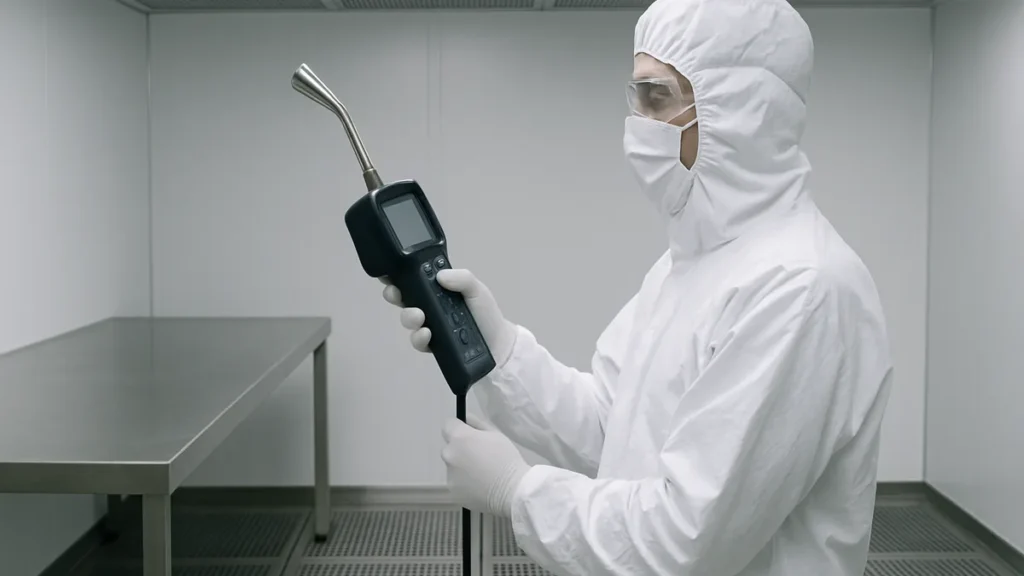
Cleanroom Standards: ISO, GMP, and Common Rules
Read moreCleanroom standards measure one thing above all else: how many airborne particles of a given size are floating in a cubic metre of air. They are not a judgement on how tidy the room looks, how new the equipment is, or how disciplined the operators seem. A room earns its class from instrument readings taken under defined conditions, and it keeps that class only by…
Cleanroom Cleaning: Steps, Tools, and Rules
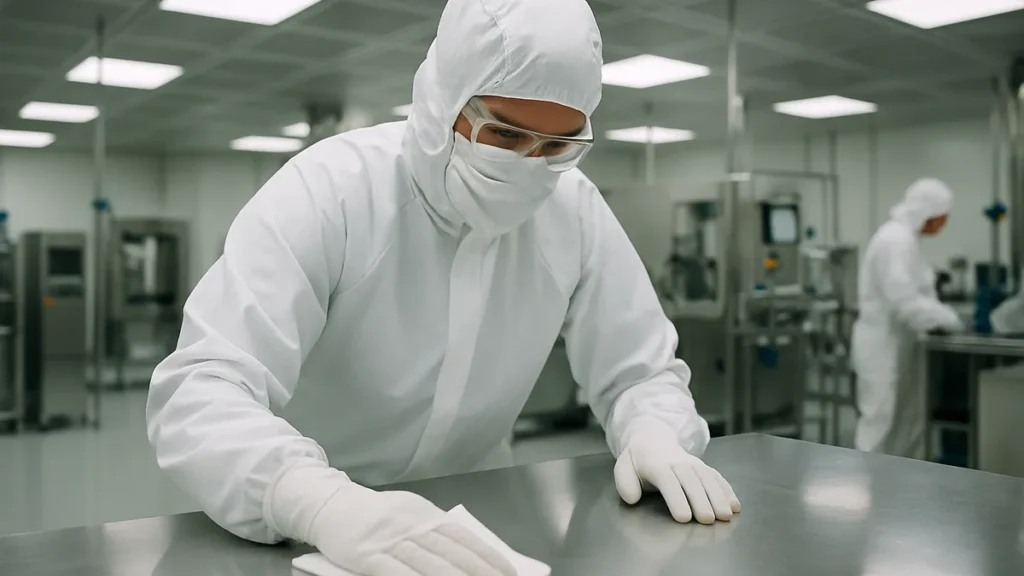
Read moreCleanroom cleaning is a controlled manufacturing process, not housekeeping. Every stroke, every wipe face and every bucket of solution is governed by a rule whose purpose is the same: move contamination out of the room in one direction, and never redistribute it. A cleanroom cleaning procedure done badly does not simply fail to help — it actively raises particle counts, spreads microbial load across surfaces…
IPA Wipes: Uses, Strengths, and Safety
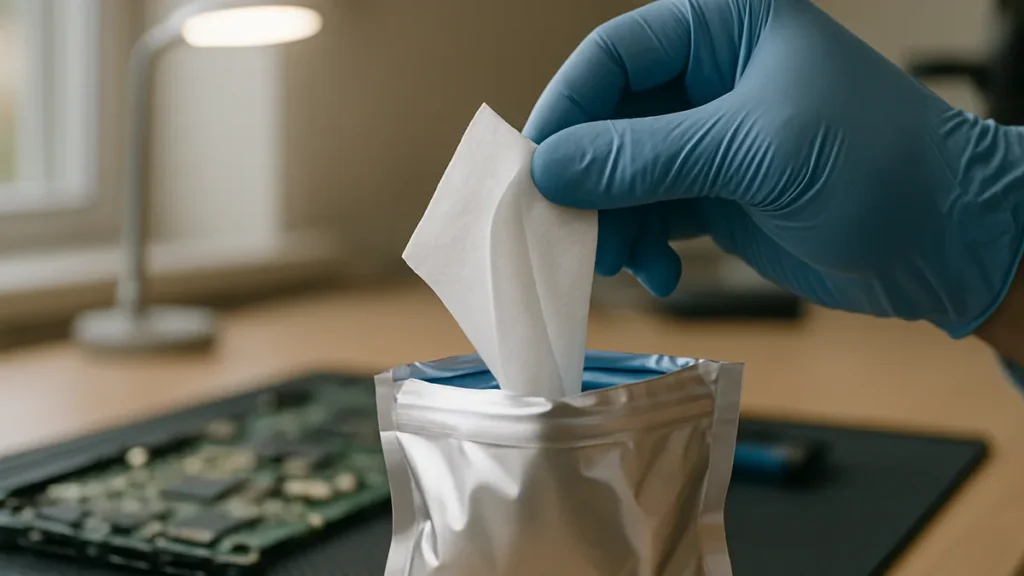
Read moreIPA wipes are presaturated cloths dosed with a controlled ratio of isopropyl alcohol and purified water, sealed in packaging that stops the solvent escaping before the wipe reaches the surface. They sit in a strange middle ground for buyers: everyone knows what they do, almost nobody specifies them properly, and the wrong choice quietly costs money in rework, failed particle counts, or damaged parts. The…