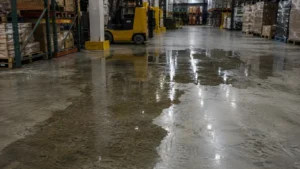
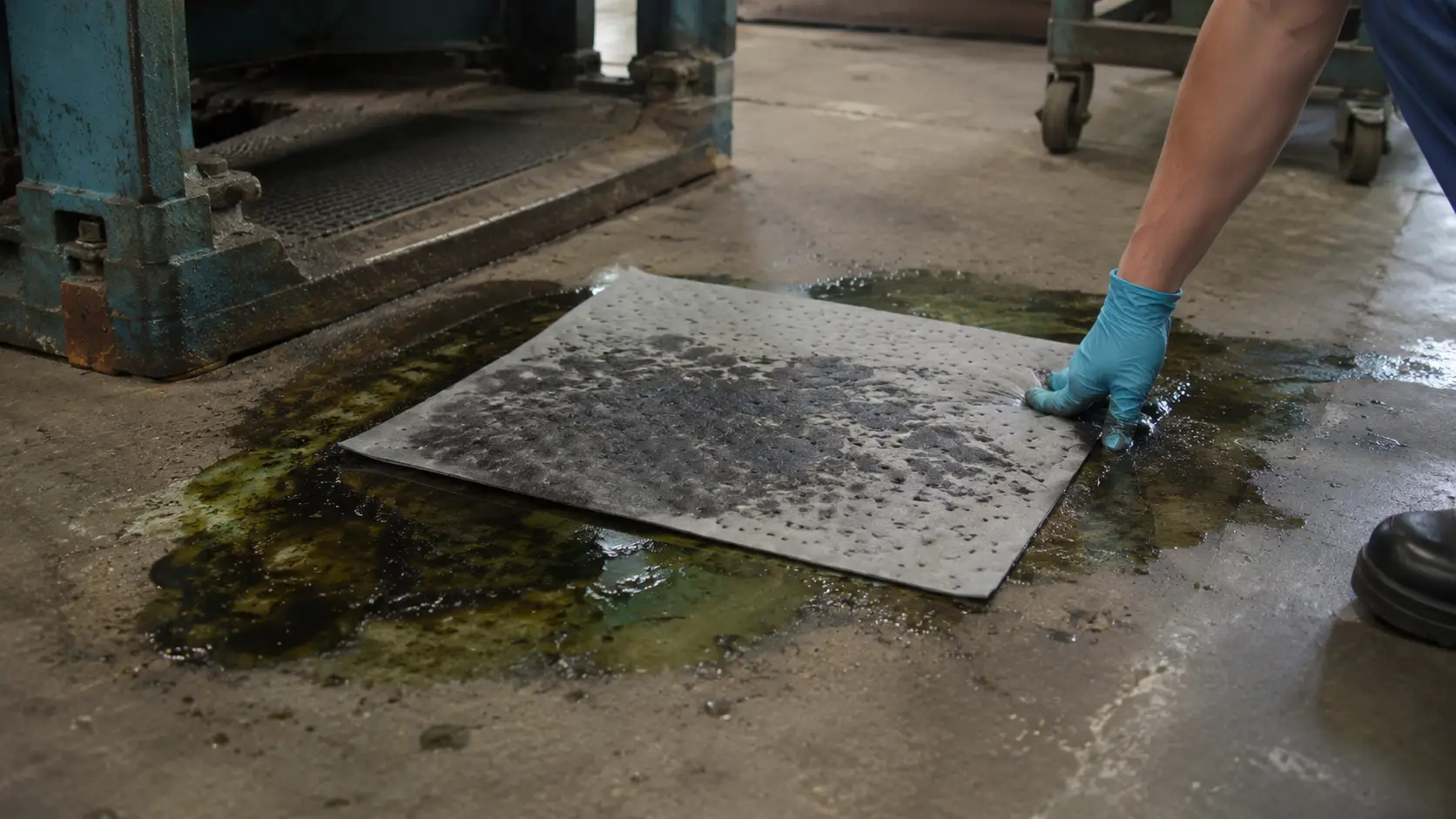
Universal absorbents are the versatile, general-purpose members of the sorbent family, built to soak up almost any non-aggressive liquid you meet on an indoor floor. Their gray, surfactant-treated fibers absorb oil, water, coolants, and mild solvents alike, which makes them the sensible default where a spill could be anything. Understanding both their uses and their limits is the key to using them well.
This guide explains what universal absorbents are, what they soak up, the everyday jobs where they excel, and the honest limits that send you toward an oil-only or chemical grade instead. Whether you run a machine shop, a fleet bay, or a production floor, the same logic applies. By the end you will know when a universal absorbent is the right choice.
What Are Universal Absorbents?
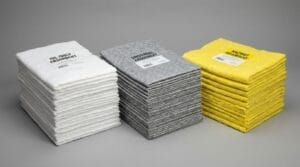
Universal absorbents are sorbent products made from polypropylene treated with a surfactant so they take up both oil and water-based fluids. They follow the industry colour code by being gray, which distinguishes them from white oil-only and yellow chemical products. The same treated material is made into pads, rolls, socks, and pillows, so a single grade covers a full range of formats.
The defining trait is versatility. Where oil-only sorbents repel water, the surfactant treatment on universal absorbents lowers water’s surface tension so the fiber can take up water-based liquids as well as oil. That means one product handles the mixed, unpredictable spills of everyday maintenance.
For a wider view of how universal fits alongside oil-only and chemical grades, see our oil absorbents guide. This article focuses on the universal grade in detail.
What Do Universal Absorbents Soak Up?
Universal absorbents handle the everyday mix of non-aggressive liquids found on a maintenance floor — oil, water, coolants, mild solvents, paint, and lubricants. Because they absorb water as readily as oil, they clean up a mixed spill in one pass without trying to separate the components. On a dry indoor floor, that is exactly what you want, since you rarely care about separating the liquids and simply need the surface clean and safe.
This all-in-one behaviour is why universal absorbents are the default for general housekeeping. You do not have to identify the liquid before choosing a pad, which saves time when a spill is spreading. The trade-off appears only when you actually need to keep water out, which is where oil-only sorbents take over.
It is worth understanding that this versatility comes entirely from the surfactant treatment. Untreated polypropylene is naturally hydrophobic and would repel water, but the surfactant lowers water’s surface tension so the same fiber can now take it up. That single additive is the whole difference between a universal absorbent and an oil-only one, and it is why two pads that look almost identical behave so differently on a wet floor.
Our guide on do oil absorbent pads absorb water explains the oil-only versus universal distinction that underpins this choice.
Everyday Uses for Universal Absorbents
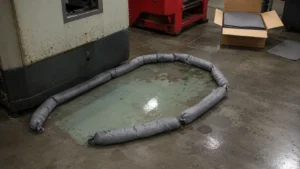
Universal absorbents excel in controlled indoor environments where the liquid could be anything. Machine shops, fleet and service bays, production floors, and general maintenance areas are the classic settings, because there one product copes with coolant one day and hydraulic oil the next. The versatility saves you from stocking a separate absorbent for every fluid, and it means staff are never caught out by an unexpected liquid.
They also suit places where spills are small and mixed, and where you simply want the mess gone rather than separated. Enclosed workspaces with smooth floors are ideal, since pads and socks make full contact and clean up quickly. For most indoor facilities, universal absorbents are the everyday workhorse, handling the routine drips and minor spills that make up the bulk of daily spill response.
Because they simplify training and purchasing to a single grade, they are also the practical choice for busy teams. Staff learn one product and one routine, which matters when a spill needs a fast response.
There is a real cost argument here as well. Stocking one versatile absorbent rather than several liquid-specific ones reduces inventory, simplifies reordering, and cuts the chance of grabbing the wrong product in a hurry. For a facility whose spills are genuinely mixed and non-aggressive, that simplicity is a meaningful saving on top of the cleanup itself.
The Limits of Universal Absorbents
The universal grade’s strength is also its weakness. Because it absorbs water, it is the wrong choice for oil on wet ground or on water — it fills with water before capturing the oil and will not float to skim a slick. For those situations you need a white, hydrophobic oil-only absorbent instead.
Universal absorbents are also not built for aggressive chemistry. Strong acids, caustics, and reactive solvents can degrade the material or create a hazard, so anywhere such chemicals are handled calls for a yellow chemical-grade absorbent. Using universal on those liquids risks both a failed cleanup and a safety incident.
The rule is simple: universal for mixed non-aggressive indoor spills, oil-only for hydrocarbons near water, and chemical for aggressive substances. Keeping the right grade for each risk is cheaper than dealing with the consequences of the wrong one. A few minutes spent matching grade to liquid up front saves far more time and material during the cleanup itself.
Universal Absorbent Formats
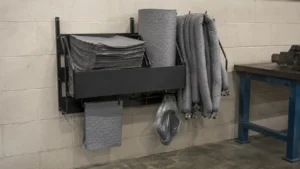
Universal absorbents come in the same range of formats as other grades, each suited to a different job. Pads and rolls are the flat everyday workhorses for spills, drips, and wipe-downs, while socks are flexible tubes for containment around machines and drains. Pillows handle deep puddles and sit under leaking valves.
The table below summarises the formats and where each fits. A well-stocked maintenance area usually keeps pads for daily use, a roll for wide coverage, socks for containment, and a few pillows for high-volume spots.
Weight matters within each format too. Heavier, higher-GSM universal pads hold more and keep their shape when saturated or walked on, while lighter grades wick fast and suit quick wipe-downs. Matching the weight to the spill volume avoids both waste and the frustration of a pad that fills too quickly.
| Format | Form | Best for |
| Pads | Flat sheets | Everyday mixed spills, drips, wipe-downs |
| Rolls | Continuous sheeting | Large-area coverage, custom lengths, walkways |
| Socks | Flexible tubes | Containing spills around machines and drains |
| Pillows | Filled cushions | Deep puddles, sumps, under leaking valves |
How to Choose and Use Universal Absorbents
Reach for a universal absorbent when the spill is a mixed or water-based non-aggressive liquid on an indoor floor, and you simply want it gone. Then match the format to the spill: pads for small spills and wipe-downs, socks to contain a spread or ring a drain, pillows for deep puddles, and rolls for wide areas.
In use, contain first with socks working from the outside in, then lay pads over the liquid and add pillows to deep puddles, letting the sorbents wick it up rather than scrubbing. Replace saturated items as they darken and stop absorbing, and work until no free liquid remains on the surface. Keeping a fresh supply within reach means the response never stalls halfway through.
Finish by handling the used absorbents according to what they absorbed and your local rules. Our guide on how to dispose of oil absorbent pads → /blog/how-to-dispose-of-oil-absorbent-pads] covers the disposal principles that apply, including how what the pad absorbed decides the correct route.
Prevention with Universal Absorbents
Universal absorbents are excellent for prevention on indoor floors where the drips could be mixed. Placing gray pads or a mat under a machine that leaks coolant and oil catches both before they reach the floor, and socks around equipment build a standing barrier for the inevitable leak. These small measures cut cleanup time and slip risk, and they keep drips from spreading into a larger job.
A stocked, clearly marked spill station keeps universal absorbents within reach when something does go wrong. Pairing prevention with fast response is what separates a tidy operation from one that is always mopping up. For continuous drips, a durable reusable mat can be more economical than repeated single-use pads, especially under a machine that leaks predictably.
We compare durable and single-use options in our guide on are oil absorbent pads reusable.
Buying Universal Absorbents in Bulk and OEM
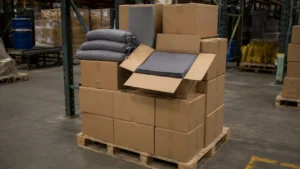
For distributors and high-volume users, consistency is what makes universal absorbents perform as promised. Reliable GSM, clean meltblown fiber, low lint, and dependable surfactant treatment batch to batch are the specs to confirm, because inconsistent treatment can leave a “universal” pad absorbing unevenly. Verify these before committing to an order.
As a Shenzhen-based manufacturer, AbsorbentX produces universal absorbents in every format — pads, rolls, socks, and pillows — with private-label and OEM options for bulk orders. Matching product and format to your customers’ real spills is what drives repeat business. Browse the range on our absorbent pads collection, or read how to choose an oil absorbent pads supplier before ordering at volume.
Because universal absorbents are the highest-volume grade in most catalogues, small differences in consistency add up quickly across an order. A pad that absorbs unevenly or sheds lint generates complaints at scale, so it pays to buy on tested performance rather than the lowest unit price. Reliable, repeatable quality is what turns a first order into a standing account.
The Bottom Line
Universal absorbents are the versatile default for indoor spill control, handling oil, water, coolants, and mild solvents with one gray, surfactant-treated product. Use them for the mixed, unpredictable spills of everyday maintenance, and stock them as your everyday workhorse in pads, rolls, socks, and pillows.
Just remember the limits: reach for oil-only when hydrocarbons meet water, and chemical grade for aggressive substances. Match the grade to the liquid and the format to the spill, and universal absorbents will handle the bulk of your spills efficiently and simply.
For most indoor facilities, universal absorbents are the right first purchase and the product you will reach for most often. Add oil-only and chemical grades only where a genuine on-water or chemical risk exists. That layered approach gives you full coverage without paying for specialised products your spills will rarely call for.
Frequently Asked Questions
What are universal absorbents?
Gray, surfactant-treated polypropylene sorbents that absorb both oil and water-based fluids. They are the general-purpose choice for mixed, non-aggressive indoor spills and come as pads, rolls, socks, and pillows.
What do universal absorbents soak up?
Oil, water, coolants, mild solvents, paint, and lubricants — the everyday mix of non-aggressive liquids on a maintenance floor, cleaned up in one pass without separating the components.
What are the limits of universal absorbents?
They absorb water, so they are wrong for oil on wet ground or water (use oil-only), and they are not built for aggressive chemicals like strong acids or caustics (use a chemical grade).
What is the difference between universal and oil-only absorbents?
Universal (gray) absorbents soak up both oil and water-based fluids. Oil-only (white) absorbents repel water and absorb only hydrocarbons, so they float and recover oil from the surface of water.
What formats do universal absorbents come in?
Pads and rolls for everyday spills and wipe-downs, socks for containment around machines and drains, and pillows for deep puddles and under leaking valves.