Concrete is porous, which is exactly why an oil spill on a garage or shop floor turns into a stubborn dark stain if it is left alone. The oil seeps down into the tiny pores of the slab, and the longer it sits, the deeper it goes and the harder it is to lift out. Knowing how to clean oil off a concrete floor is really about acting fast on fresh spills and using the right pull-it-back-out method on stains that have already set.
This guide covers both situations step by step, from soaking up a fresh puddle before it sinks in, to drawing an old stain back to the surface, to keeping your floor from staining in the first place. The methods range from simple household items to a professional absorbent-first workflow used in real workshops. Pick the section that matches your spill and follow it through.
Everything here works on a home garage floor, a driveway, or a busy commercial shop. The materials scale up or down depending on the size of the spill, but the core logic stays the same. Read the fresh-spill steps first even if your stain is old, because the same absorb-then-clean principle underpins both.
Fresh Spill vs. Old Stain: Why It Matters
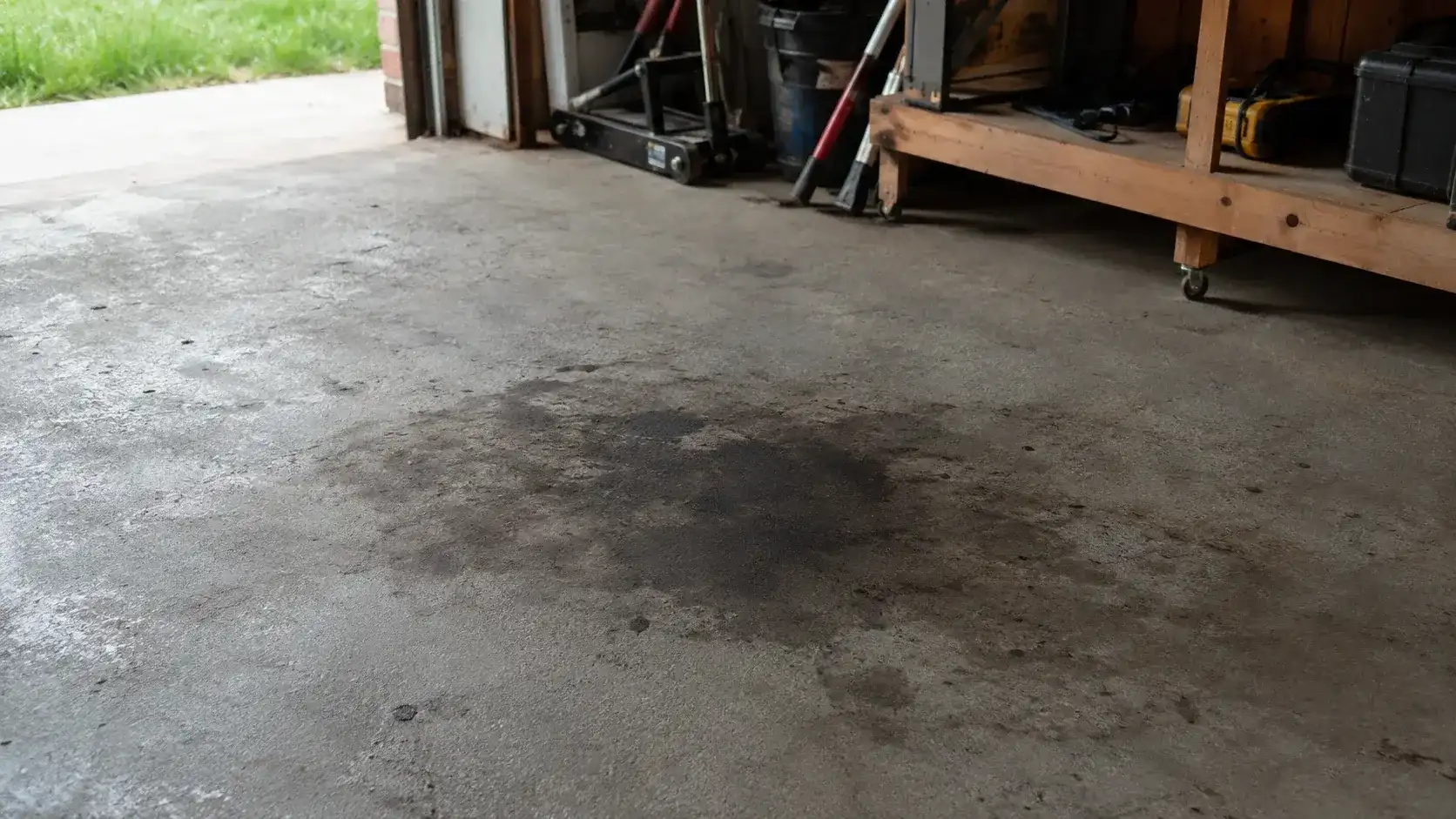
The single biggest factor in cleaning oil off concrete is how long it has been there. A fresh spill still sits mostly on the surface, so the goal is to absorb it before it soaks into the pores. An old stain has already migrated down into the slab, so the goal shifts to drawing that oil back up to the surface where it can be removed.
Treating the two the same way is why people get frustrated. Scrubbing a fresh puddle just spreads it, while quickly wiping an old stain barely touches the oil trapped below. Once you match your method to the age of the spill, cleaning becomes far more predictable.
So before you reach for a product, ask one question: is this wet and recent, or dark and dried in? Your answer decides which of the two workflows below you should use.
Step 1: Soak Up a Fresh Spill Immediately
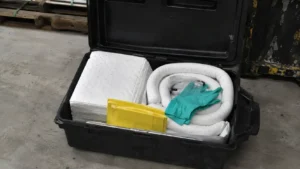
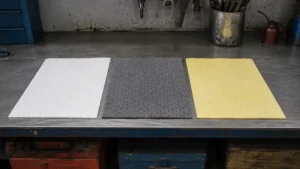
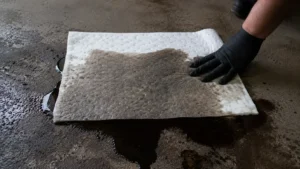
For a fresh spill, speed is everything, and absorbing the oil is always the first move. Lay an oil absorbent pad directly over the puddle and let it wick up the liquid instead of smearing it with a rag. Oil-only pads work especially well here because they pull up oil even on a damp floor without soaking up water.
If you do not have pads on hand, cover the spill with a granular absorbent such as cat litter, sawdust, or baking soda, and let it sit for at least thirty minutes to draw the oil out. Press it into the spill, then sweep it up once it has darkened. The aim is simply to remove as much free oil as possible before it has a chance to sink in.
Only after the bulk of the oil is absorbed should you move on to washing the spot. Skipping this step and going straight to water and soap just pushes oil deeper into the concrete. We cover how these pads work in our guide on how oil absorbent pads work.
Step 2: Scrub the Spot With a Degreaser
Once the free oil is absorbed, a light stain usually lifts with a degreasing scrub. Sprinkle baking soda or powdered laundry detergent over the spot, or apply a dedicated concrete degreaser, and let it dwell for the time the product recommends. These break down the oily residue clinging to the surface so it can be rinsed away.
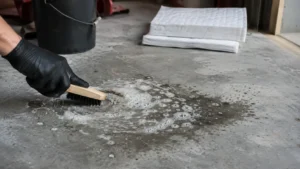
Work the area with a stiff-bristle brush, scrubbing in small circles to lift the residue out of the surface texture. Then rinse with warm water and check the result while the concrete is still wet. A fresh, shallow stain often disappears completely after one pass.
If a shadow remains, repeat the dwell-and-scrub cycle a second time before deciding you have a set-in stain. Many “stubborn” stains are just under-treated fresh ones that needed one more round.
Step 3: Draw Out an Old, Set-In Stain
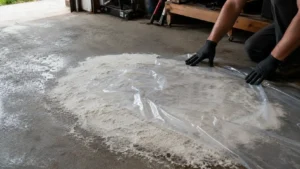
An old stain needs a poultice — a paste that sits on the concrete, dissolves the trapped oil, and pulls it back to the surface as it dries. A common approach is to soak the stain with a strong degreaser or a suitable solvent, then sprinkle a fine powder such as Portland cement or baking soda over the top to absorb the oil as it is drawn out.
Cover the treated area with plastic sheeting and let it work for a period ranging from several hours to a week for deep stains, so the oil has time to migrate up into the powder. When it is fully dry, sweep away the residue and rinse the area thoroughly. The powder should come away noticeably darkened with the oil it has reclaimed.
Deep, decades-old stains may take more than one poultice cycle, and some faint discoloration can be permanent in very porous concrete. Patience and repetition, rather than harder scrubbing, are what remove the most stubborn stains.
Safety and Cleaning-Up the Waste
Cleaning oil off concrete involves oily rags, saturated pads, and sometimes solvents, all of which need sensible handling. Wear gloves and eye protection, work in a ventilated space when using degreasers or solvents, and keep sparks and flames away from anything flammable. Never pour recovered oil or rinse water down a storm drain.
The oily pads, powder, and rags you collect are contaminated waste and should be handled accordingly rather than tossed in with household trash. Let saturated pads drain, bag them, and dispose of them under your local rules. Our companion guide on how to dispose of oil absorbent pads walks through this in detail.
If you used a solvent-based poultice, take extra care, because solvent-soaked material can be flammable and may count as hazardous waste. Store it separately in a sealed, labelled container and check whether it needs a regulated disposal route. A few minutes of caution here avoids both a fire risk and a compliance problem.
How to Prevent Oil Stains on Concrete
The easiest stain to clean is the one that never soaks in, so prevention is worth building into any garage or workshop. Placing absorbent pads or a mat under vehicles and machines that tend to drip catches oil before it reaches the slab. This is far cheaper and faster than repeatedly treating fresh stains.
Sealing the concrete adds a second line of defence by reducing how porous the surface is, so spills sit on top long enough to wipe up. Keeping a spill station stocked with pads nearby means fast response is always an option. Together, these steps turn oil management into a quick habit rather than a recurring chore.
For workshops that drip continuously, a reusable absorbent mat under the machine is often the smartest long-term fix. We compare durable and single-use options in our guide on are oil absorbent pads reusable.
Choosing the Right Absorbents for Your Floor
Whether you are cleaning a spill or preventing one, the quality of your absorbents makes a real difference. Well-made oil-only pads wick fast, hold their shape when saturated, and lift oil from a damp floor without absorbing water, so a single pad does more work. Cheap, low-GSM pads shed lint and fall apart, leaving a bigger mess behind.
For a garage floor, an oil-only pad is usually the right pick because it ignores water and targets the oil, but a universal pad is better if you are also cleaning up coolant or washing water. Choosing a heavier GSM grade for big leaks and a lighter one for routine drips keeps you from over-spending on either. Getting this match right is most of what separates a quick wipe-up from a repeated struggle.
As a Shenzhen-based manufacturer, AbsorbentX produces oil-only, universal, and chemical pads in multiple GSM grades, with private-label and OEM options for shops and distributors. Matching the pad to your floor and spill type keeps cleanup fast and cost low. Browse the range on our oil absorbent pads collection.
How Long Does Cleaning Oil Off Concrete Take?
The time needed depends entirely on the age of the stain. A fresh spill can be absorbed and scrubbed clean in well under an hour, since the oil has not travelled far into the slab. Most of that time is simply letting the absorbent and degreaser dwell.
An old, set-in stain is a slower job because the poultice has to sit and pull the oil out gradually. Depending on how deep the stain runs, that can mean anywhere from a few hours to a full week under plastic, sometimes across more than one cycle. The active effort is small, but the waiting is what does the work. Planning around that timeline, rather than rushing it, gives you the best chance of lifting the stain fully on the first attempt.
The Bottom Line
Cleaning oil off a concrete floor comes down to matching your method to the spill. Absorb a fresh spill immediately, scrub the spot with a degreaser, and draw out old stains with a poultice, giving deep stains time and repeat cycles rather than brute force.
Handle the oily waste responsibly, and prevent future stains with pads, mats, and a sealed floor. Do that, and both fresh spills and years-old stains become manageable jobs rather than permanent marks on your floor.
If you take one thing away, let it be the value of acting early. Keeping a few absorbent pads within reach turns most spills into a two-minute cleanup and spares you the far longer job of lifting a stain later. Prevention and speed, more than any single product, are what keep a concrete floor clean.
Frequently Asked Questions
What is the fastest way to clean oil off a concrete floor?
For a fresh spill, immediately soak up the oil with an absorbent pad or granular absorbent, then scrub the spot with a degreaser or baking soda and rinse. Acting before the oil soaks in is the fastest route to a clean floor.
How do you remove old, set-in oil stains from concrete?
Use a poultice: apply a strong degreaser or solvent, cover with an absorbent powder like Portland cement or baking soda, seal with plastic, and let it draw the oil out over hours to a week. Sweep, rinse, and repeat for deep stains.
Does baking soda really remove oil from concrete?
Yes, for fresh and light stains. Sprinkle it on, let it sit, then scrub with a stiff brush and rinse. It absorbs oil and acts as a mild abrasive, though heavy stains need a degreaser or poultice.
Can you clean oil off concrete without chemicals?
Often, yes. Absorbent pads, cat litter, baking soda, and a stiff brush handle many fresh spills. Old, deep stains usually need a degreaser or solvent poultice to lift the trapped oil.
How do I stop oil from staining my garage floor?
Place absorbent pads or a mat under drips, seal the concrete to reduce porosity, and keep pads on hand for fast cleanup. Preventing the soak-in is far easier than removing a set-in stain.