Blog
This article collection shares practical insights and industry perspectives on industrial spill control and absorbent use.
How Do Oil Absorbent Pads Work? (Simple Science Guide)
Read moreDrop an oil absorbent pad onto a puddle of motor oil and it darkens almost instantly, soaking up the spill while the water underneath stays clear. So how do oil absorbent pads work? The short answer: they are built from specially treated polypropylene fibers that attract oil, repel water, and lock liquid hydrocarbons inside a porous mat through capillary action. This guide breaks down that…

What Are Oil Absorbent Pads Made Of? Materials, Construction & How They Work
Read moreOil absorbent pads are made of meltblown polypropylene, a thermoplastic polymer spun into fine, randomly layered fibers. Polypropylene is the dominant material because it is both hydrophobic (repels water) and oleophilic (attracts oil), so the pad pulls in oil, fuel, and other hydrocarbons while pushing water away. A small share of pads use natural fibers such as cotton, wool, cellulose, or peat, but for industrial…
10 Advantages of AbsorbentX as Oil Absorbent Supplier
Read moreSpills happen fast, and finding the right oil absorbent supplier in the US market is often harder than it should be. You aren’t just looking for pads or rolls; you are looking for a way to mitigate risk and keep the EPA off your back. Oil Absorbent Pads, Rolls, Socks, Booms, and Pillows from AbsorbentX use advanced technology to clean up oil quickly and safely.…

8 Things to Know Before OEM Oil Absorbent Pads
Read moreYou know the feeling: you buy “heavy-duty” absorbent pads, only to watch them disintegrate the moment they hit a rough patch of concrete. It’s frustrating, and in my experience, it’s a sign that the specs weren’t checked carefully. Many businesses struggle to choose the right Oil Absorbent Pads because the market is flooded with options that look identical but perform very differently. Not all pads…
How to Choose an Oil Absorbent Pads Supplier
Read moreAre you struggling to find an oil absorbent pads supplier that actually understands your safety requirements? I’ve seen it happen too often: a facility manager buys the cheapest “absorbent” pads on the market, only to watch them disintegrate the moment they hit a hydraulic fluid spill. That’s not just a mess; under US regulations like the EPA’s SPCC rule, that’s a compliance risk you can’t…
How to Keep Work Floors Safe from Oil Contamination
Read moreOil spills on work floors create slippery dangers that put workers at risk every day. Each year, these spills cause thousands of injuries in shops and factories. This blog post guides you through easy steps to stop oil from spreading and to clean it up fast. Discover safe floors now. Why Oil Contamination Is a Serious Floor Safety Issue After covering the basics in the…
5 Common Oil Spill Mistakes in Maintenance Bays
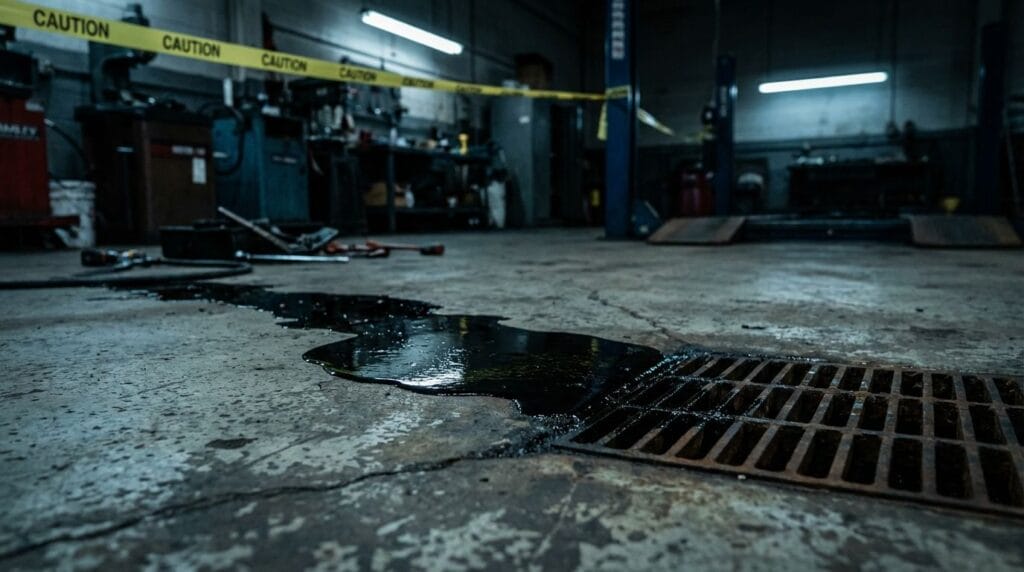
Read moreOil spills in maintenance bays create slippery floors and harm the environment. The EPA reports that small spills add up to millions of gallons of oil lost each year in workplaces. This blog post explains five key mistakes and gives steps to prevent them with proper spill response and absorbent use. Fix these errors today. Why Maintenance Bays Are Prone to Oil Spill Problems Maintenance…
How to Control Oil Leaks in Industrial Facilities
Read moreOil leaks hit industrial facilities hard and lead to slippery floors, lost time, and big fines. These spills cost companies over $1 billion each year in repairs and cleanup. This post breaks down easy ways to spot, stop, and clean up leaks for good. Keep reading to fix your oil problems fast. Why Oil Leaks Are a Persistent Problem in Industrial Facilities Industrial facilities face…
Why Oil Absorbents Are Essential For Spill Control
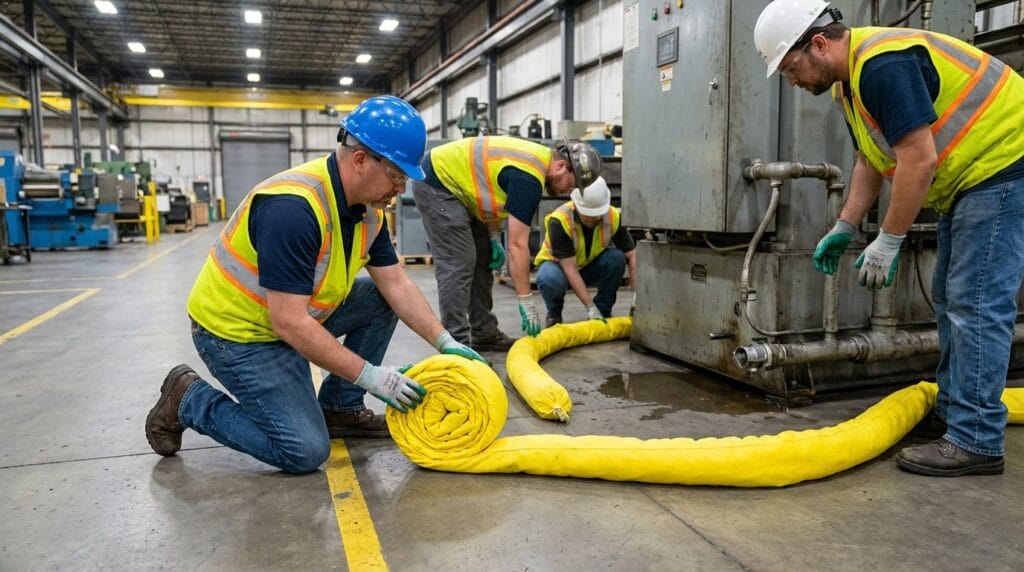
Read moreOil spills in the workplace can happen fast and cause big problems if not handled right away. Even small leaks can lead to safety hazards, environmental damage, and costly violations of safety regulations. You know the reality: a hydraulic line bursts or a drum tips over, and suddenly you are racing against the clock. It is not just about the mess on the floor; it…
How to Control Oil and Coolant Leaks in CNC Workshops
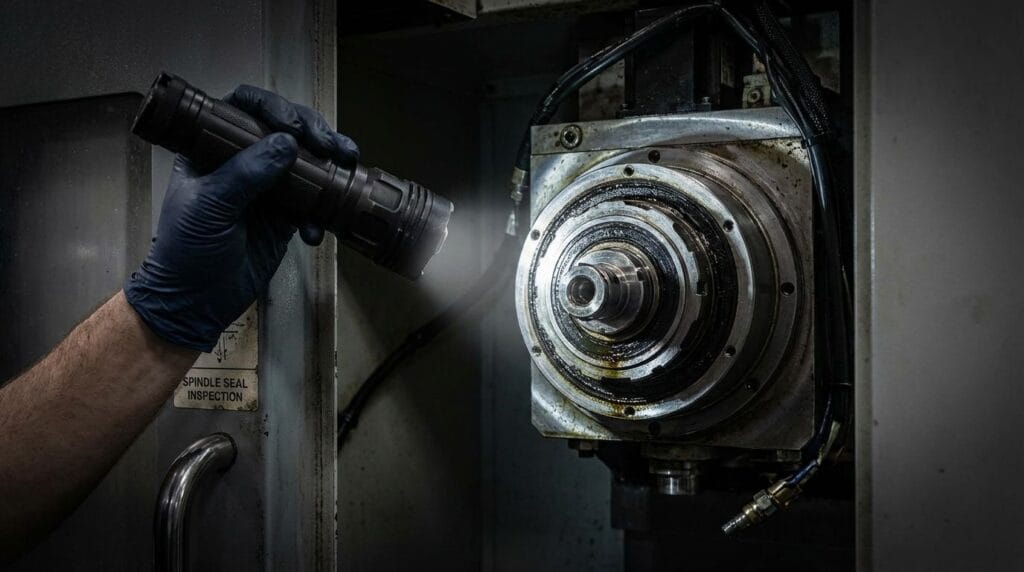
Read moreYou know the feeling. You walk into the shop on a Monday morning, coffee in hand, only to find a slick, shimmering puddle creeping out from under your primary CNC machine. It’s not just a slip hazard; it’s a sign that your machine is bleeding money. From what I’ve seen in the industry, most shops treat these leaks as a janitorial problem—something to mop up…