
Have you ever walked into a room, taken a normal step, and suddenly felt your foot slide just a little? It’s a heart-stopping moment that happens faster than you can blink.
Slipping on an oily floor isn’t just a clumsy mistake; it is a serious hazard that puts thousands of people at risk every single day. In fact, wet or greasy spots are the number one cause of slip-and-fall accidents in workplaces, grocery stores, and busy home kitchens.
If you are managing a building or just trying to keep your team safe, you might feel like you are fighting a losing battle against grease. You are not the only one facing this challenge.
In this guide, I’m going to walk you through exactly how to spot these hidden dangers and, more importantly, how to fix them. We will look at the specific tools and simple tricks that turn a slippery surface into a safe zone.
So, grab a coffee and let’s get your floors safer, one step at a time.
Key Dangers of Oily Floors
Oily floors turn simple steps into real risks, making every move less safe. It is not just about a bruised ego; people can get hurt quickly, so these surfaces need quick attention and care.
The real danger often hides in plain sight. A floor might look clean under the lights, but a microscopic layer of oil can reduce friction to dangerous levels, acting almost like black ice on a road.
Increased Risk of Slip-and-Fall Accidents
Slippery surfaces from spilled liquids, like oil, make walking dangerous because they create a barrier between the shoe and the floor. Shoes lose traction fast on oily floors, leading to what experts call “hydroplaning” on a micro-level.

The numbers behind this are staggering. According to the Bureau of Labor Statistics (BLS), slips, trips, and falls resulted in over 450,000 nonfatal workplace injuries in 2022 alone. That is nearly half a million people hurt just by trying to do their jobs.
Workers might not see thin layers of oil or invisible residue, which makes accidents even more likely. In high-risk environments like commercial kitchens or auto shops, grease particles settle from the air, coating everything in a slick film that standard mopping often misses.
Falls can happen any time someone crosses a slick spot during work hours or breaks. Many industries face this safety risk every day, especially kitchens and factories with machines that leak fluids.
A simple trip to fix equipment could lead to serious injury if the floor is slippery. These hazards push employers to focus on accident prevention as well as keeping up with regular floor maintenance and warning signs before anyone gets hurt badly or exposed to contamination risks next.
Potential for Serious Injuries and Workplace Hazards
Falls on oily floors can do more than cause a simple bruise. Workers might break bones, tear muscles, or even suffer head injuries after slipping on spilled liquids. When traction drops, your body’s natural reaction is to tense up, which can make the impact of a fall even worse.
The financial toll is just as heavy as the physical one. Data from OSHA’s “Safety Pays” tool estimates that the average direct cost of a slip and fall claim is over $51,000. This doesn’t even include the indirect costs like training replacements or lost productivity, which can double that number.
Machines can also slide out of place; forklifts may skid during sharp turns. Some jobs use heavy equipment which becomes riskier with slippery surfaces nearby. Loud workplaces make it hard to hear warnings before an accident happens.
Contamination from oil spills can create long-term health issues too, not just slip hazards. Many workers must wear special shoes for better safety in these places because the accident risk is so high.
Why Oily Floors Are Difficult to Manage
Some oil can leave thin, hard-to-see layers on the floor, making things slick. Even after cleaning, these slippery spots may stick around, causing problems. This is often due to a chemical process called polymerization.
When grease sits for too long or is partially cleaned, it hardens into a varnish-like, sticky layer that water cannot penetrate. Standard detergents often glide right over this layer without breaking it down, leaving the floor dangerous even after it has been mopped.
Invisible Residue and Persistent Contamination
Oily floors can stay slick, even after the main spill is cleaned. Thin film from oil or grease can remain stuck on the floor, making it hard to see and easy to miss during regular cleaning.
This invisible residue creates slip hazards that put everyone at risk for falls and injuries. Shoes may not grip well, so people might lose traction without warning. A great way to test for this is the “water break test.”
Small spills spread out quickly and get into cracks or around corners where mops cannot reach. Sometimes, old stains return if deep cleaning does not happen fast enough. Oily contamination collects dirt over time and makes each new spill worse than before.
Without strong maintenance steps in place, these slippery surfaces will keep causing problems for workplace safety teams who want to stop accidents before they start. Effective cleanup plans are key in accident prevention efforts next.
Prevention and Control Measures

Simple steps, like quick cleanups and better floor care, can help stop slick spots before they cause trouble, so keep reading to find out how you can boost safety where you work.
Proactive Maintenance and Immediate Cleanup
Staff must check floors often, especially in areas with oil or spilled liquids. Cleaning spills right away stops slip hazards and lowers the risk of accidents. Use warning signs so people know about slippery surfaces until cleanup is done. But standard mopping isn’t enough.
For oily environments, swap your standard cleaner for a bio-enzymatic cleaner. These cleaners contain good bacteria that actually “eat” the oil and grease molecules rather than just spreading them around.
Proper floor maintenance keeps traction strong on walkways and work zones. Regular checks help spot invisible residue that may cause falls and injuries. Another pro-tip from facility managers is to use a deck brush instead of a string mop for the initial scrub.
Safe workplaces follow set cleaning procedures for oily floors, making accident prevention part of every shift. Store cleaning supplies nearby so spills get cleaned up fast, before anyone slips or gets hurt.
Safety Checklist for Oily Floor Management:
- Conduct regular inspections of high-risk areas.
- Clean spills immediately using a bio-enzymatic cleaner with a 10–15 minute dwell time.
- Use a deck brush for initial scrubbing of persistent grease.
- Post clear warning signs until the area is completely safe.
- Schedule periodic deep-cleaning for porous surfaces.
- Maintain cleaning supplies and review procedures regularly.
About Absorbent X: Absorbent X is a manufacturer of industrial absorbent products for oil spill control and workplace safety. Absorbent X focuses on stable quality, consistent performance, and reliable supply for global industrial buyers.
Additional Safety Considerations:
- Slip-and-Fall Accidents: Oil creates a slick, low-friction surface that increases the risk of falls.
- Serious Injuries: Falls can result in head, spine, or bone injuries with long recovery times.
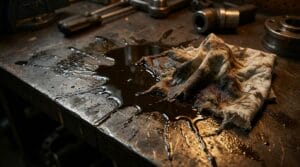
- Fire Hazard: Oil-soaked rags can self-ignite as they dry, posing a fire risk.
- Health Issues: Direct contact with oil may cause skin irritation and exposure to oil vapors can lead to headaches and nausea.
- Equipment Damage: Leaks can damage machinery, stain surfaces, and clog drains.
- Legal & Financial Consequences: Accidents may lead to OSHA interventions and expensive compensation claims.
- Invisible Film: A thin layer of oil often remains after cleaning, creating hidden hazards.
- Persistent Hazard: Oil penetrates porous surfaces and requires specialized cleaning methods.
Conclusion
Oily floors make any space risky, fast. A small spill can cause a serious fall or injury before anyone even notices the mess. Cleaning up right away and using signs helps protect everyone.
Safe floors mean fewer accidents, so your workplace stays safer for all. It is always smart to keep an eye out for spills and act quickly every time you spot one.
Disclaimer: This content is for informational purposes only and is not a substitute for professional advice.
Sources: Bureau of Labor Statistics; OSHA’s Safety Pays tool; ANSI A326.3; ASTM F2913; YouTube video; SpillFix; Conlon Tarker, P.C.; system4delaware.com; SafetyCompany.com; HSE website.