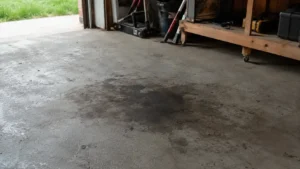
A single oil leak does more than create a mess—it creates a liability. According to recent industry data, the average cost of a workplace slip-and-fall accident in the US now exceeds $22,000. Beyond the immediate injury risk, unmanaged spills can trigger fines under the EPA’s Spill Prevention, Control, and Countermeasure (SPCC) rule.
Most facility managers know they need “cleanup stuff” on hand. However, the difference between a minor incident and a reportable environmental disaster often comes down to using the right tool for the specific fluid. You cannot rely on a one-size-fits-all approach when the regulations distinguish clearly between oil, water, and hazardous chemicals.
I am going to break down the specific mechanics of modern absorbents and how to choose the correct material for your facility. We will look at the science, the color-coding standards you must know, and the specific deployment techniques that keep you compliant.
How Absorbents Work to Manage Oil Leaks
Effective spill control relies on materials that do more than just get wet. Modern absorbents use specific physical and chemical properties to target hydrocarbons while ignoring water. This distinction is critical for outdoor applications or wet environments where you cannot afford to waste capacity soaking up rain.
Absorption vs. Adsorption Mechanisms
To choose the right product, you need to understand the two ways these materials capture liquid. Think of the difference between a sponge and a magnet.
Absorption works like a sponge. The oil is pulled inside the structure of the material.
Polypropylene and cellulose fibers swell as they soak up fluids, trapping hydrocarbons deep within their matrix. This method is permanent and secure. Once the oil is absorbed, it typically does not leak out, which makes disposal much cleaner.
Adsorption works like a magnet. The oil sticks to the surface of the granule or fiber.
Traditional clay (kitty litter) works this way. While it is cheap, it has a major flaw: because the oil is only on the surface, it can easily leach back out under pressure. If you step on a pile of oil-soaked clay, you often squeeze the oil right back onto the floor. For this reason, professional maintenance teams are moving away from clay and toward synthetic absorbents that lock the fluid away permanently.
The “White vs. Grey” Color Code Standard
In the US, industrial absorbents follow a strict color-coding standard to prevent dangerous chemical reactions. Using the wrong type can lead to ineffective cleanup or safety hazards.
- White (Oil-Only): These are hydrophobic and oleophilic. They repel water but attract oil. You can throw a white mat on a rainy driveway, and it will only soak up the oil sheen while the rainwater runs off.
- Grey (Universal): These are hydrophilic. They absorb everything, including water, coolants, and solvents. Use these indoors for machinery leaks, but never use them on a waterway, or they will sink immediately.
- Pink/Yellow (Hazmat): These are chemically resistant absorbents designed for aggressive acids, bases, or unknown spills.
Understanding this code helps you respond instantly without reading a label during an emergency.
Types of Absorbents for Everyday Oil Leaks
Different leaks require different form factors. A drip requires a pad, but a flowing spill requires a barrier. Here is how to apply each type effectively.
Oil Absorbent Pads
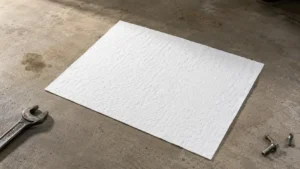
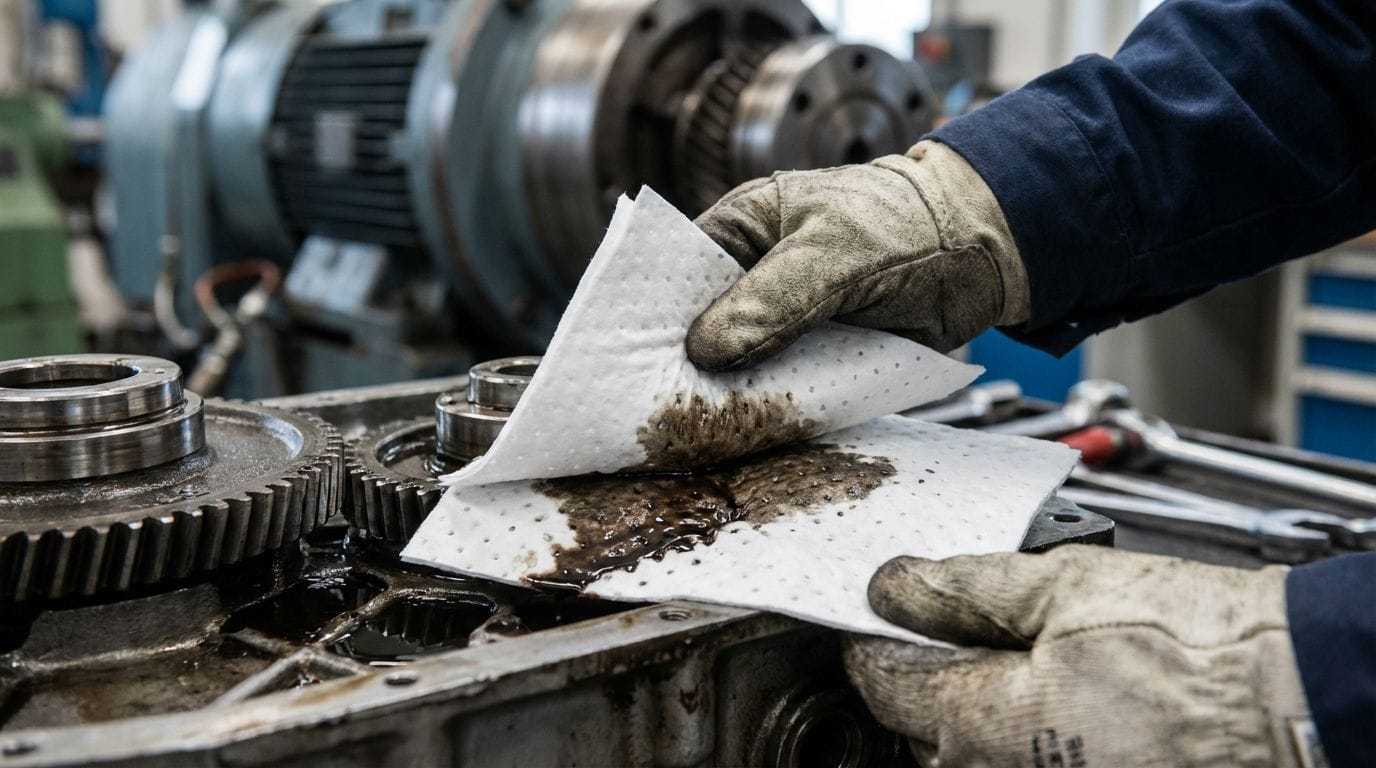
Pads are your first line of defense for low-volume, chronic leaks. They are typically made from meltblown polypropylene, a process that creates fine fibers with massive surface area. High-quality pads can absorb up to 25 times their own weight in fluid.
Pro-Tip: Choose the Right Strength
There are two main types of pads:
- Meltblown (Standard): High absorbency but can tear if walked on. Use these for wiping down parts or catching drips under a tank.
- Bonded/Laminated: These have a reinforced top layer that prevents linting and tearing. Use these in high-traffic walkways or under heavy machinery where workers might step.
Buying the wrong durability often leads to “lint trails” that create a secondary mess in your facility.
Oil Absorbent Socks
Socks are flexible tubes filled with absorbent material, designed to stop a spill from spreading. You use them to “dike” or encircle a machine leaking hydraulic fluid.
The “Overlap” Rule
A common mistake is placing socks end-to-end like sausages. Liquid will always seep through the tiny gap between them.
To create a leak-proof seal, you must overlap the ends by at least 6 inches.
Also, step on the sock after placing it. This molds the flexible filler into the cracks of the concrete, preventing oil from flowing underneath the barrier.
Oil Absorbent Booms
Booms are the heavy-duty version of socks, designed primarily for large-scale spills on water or land. They feature strong outer mesh and connection hardware to link multiple sections together.
Deployment Strategy
If you are deploying booms in a moving current (like a river or storm drain runoff), never place them perpendicular to the flow.
If the current is faster than 1 knot, the water will push the oil right under the boom (a phenomenon called “entrainment”). Instead, deploy the boom at an angle to the bank. This uses the current to guide the oil toward a collection point on the shore, making recovery far easier.
Benefits of Using Absorbents
Switching from loose clay to engineered absorbents offers measurable advantages for your business.
Reduced Disposal Costs

Disposal costs are often calculated by weight. Clay is heavy to begin with, and it becomes even heavier when wet. Polypropylene absorbents are featherlight before use and extremely efficient. You generate significantly less total waste volume, which can lower your hazardous waste disposal fees by up to 40%.
Compliance with EPA SPCC Rules
Under 40 CFR Part 112, facilities with significant oil storage must have a Spill Prevention, Control, and Countermeasure (SPCC) plan. Stocking the correct absorbents—specifically “oil-only” booms and pads for outdoor areas—demonstrates proactive compliance. It shows inspectors you have the specific tools needed to prevent a discharge into navigable waters.
Workplace Safety
Slips are a leading cause of workers’ compensation claims. By placing high-visibility bonded pads in walkways, you actively reduce this risk. Unlike granular clay, which leaves a slippery, gritty residue that is hard to clean, pads leave the floor dry and safe immediately after removal.
Conclusion
Managing oil leaks is about more than just keeping the floor clean. It is about protecting your workforce and complying with federal regulations. By selecting the right tool—white pads for outdoor oil, grey bonded mats for indoor walkways, and overlapping socks for containment—you turn a potential hazard into a manageable task.
Invest in quality absorbents today. It is far cheaper to buy a bale of pads than to pay for a single slip-and-fall injury or an environmental fine.