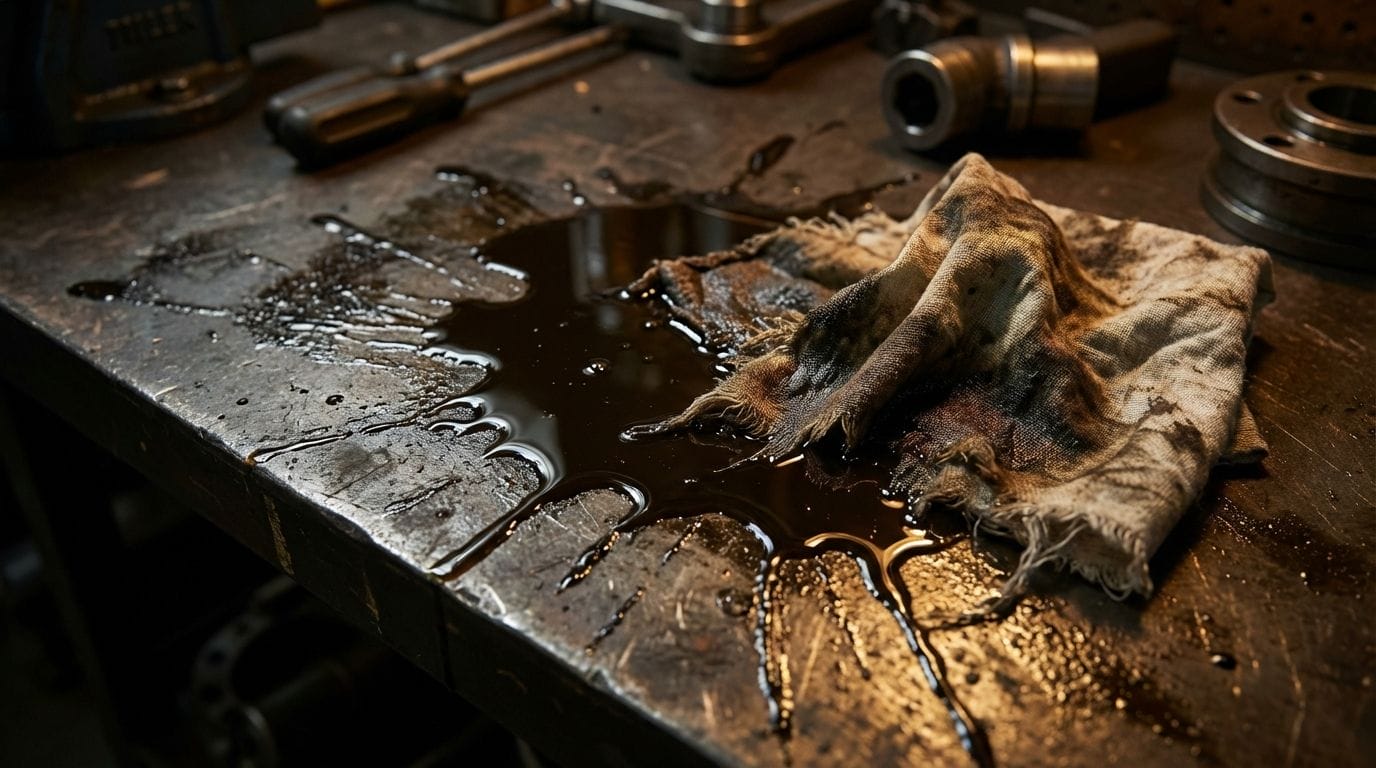
Cleaning up spilled oil with just old rags can be a real headache, right? Most rags cannot soak up much oil and often leave behind smudges or greasy spots. In this post, I will share why traditional rags fall short and what better options you have for safe and easy cleanup.
Stick around to find out what really works!
Limitations of Traditional Rags
Traditional rags might seem handy, but they can make oil cleanup feel like a never-ending mess. You wipe the surface, but it just looks smeared rather than clean. There is more to the story, and it gets messy fast.
Poor Absorption Capabilities
A regular rag just does not soak up oil the way you want it to. These rags can only handle small spills, and they fill up fast. Oil tends to slide right off or just sits on top of the fabric fibers, making cleaning slow and messy.
The science behind this is actually pretty simple. Cotton fibers are naturally hydrophilic, meaning they love water but resist oil. Specialized oil sorbents are oleophilic, meaning they chemically attract oil while repelling water.
Here is a quick comparison of how much mess each material can actually handle:
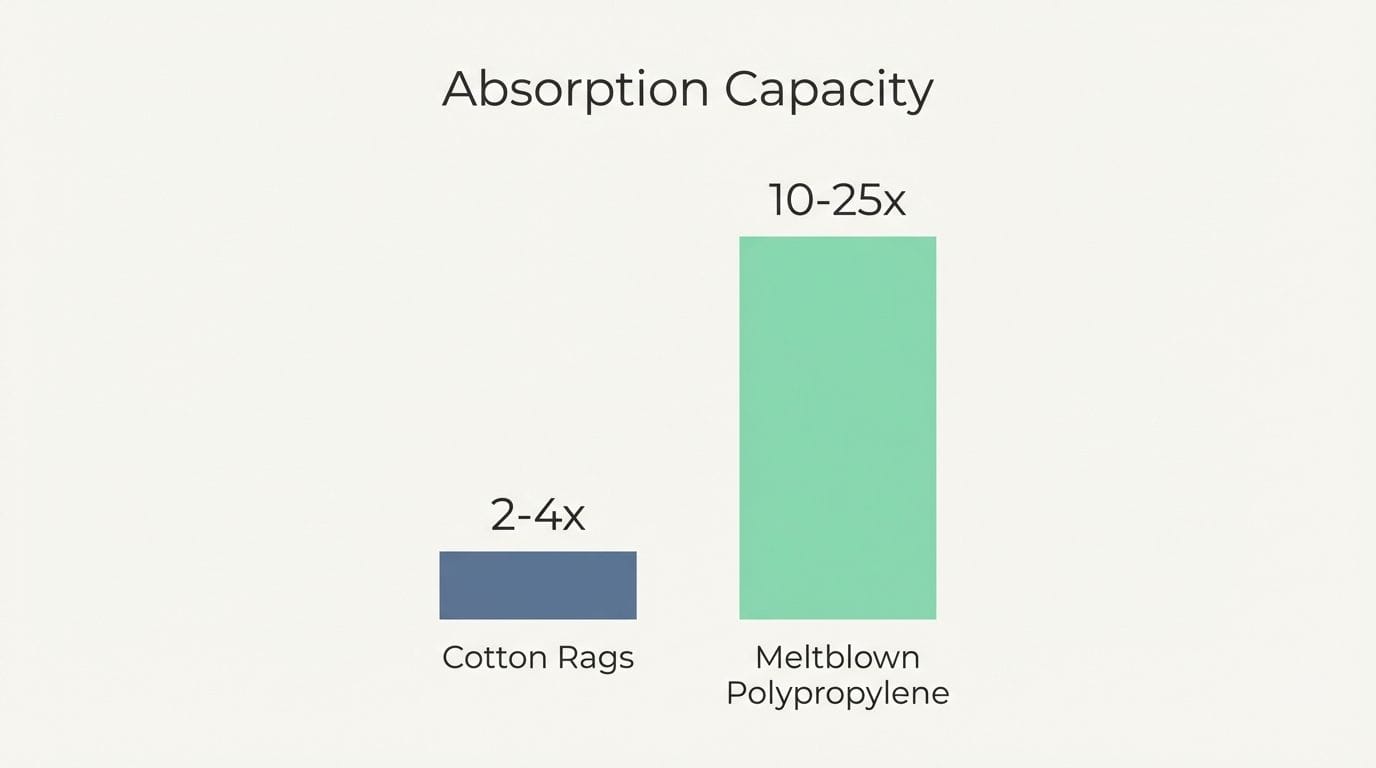
| Material Type | Absorption Capacity (approx.) | Primary Affinity |
|---|---|---|
| Cotton Rags | 2–4 times their weight | Absorbs water, pushes oil around |
| Meltblown Polypropylene | 10–25 times their weight | Bonds with oil instantly |
This poor performance means more waste too. You end up needing tons of fabric that then become oily trash. Nobody wants extra cleanup from failed absorbents.
Residue and Ineffective Cleaning
Poor absorption is already a problem, but then comes the messy part. Traditional rags leave oily streaks and spots behind. You wipe a surface, only to find out it is not really clean, just less dirty.
Oil sticks in tiny cracks or stays trapped between fabric fibers. Some of it even dries on tools and equipment. This creates a sticky layer that attracts even more dirt later.
Did you know? A landmark study by Gradient Corp found that 100% of tested “clean” laundered shop towels still contained heavy metals like lead and cadmium. Even after professional washing, these rags can return to your shop carrying toxic residue from other facilities.
Greasy residue attracts more dirt and can build up fast in busy areas. This makes cleaning feel pointless sometimes. Over time, that leftover oil causes bigger problems for maintenance crews.
It may also increase fire hazard risks since old oil-soaked rags never get things truly clean. In my experience working around greasy materials, I realized rags are like band-aids. They cover the mess but do not fix it.
Equipment Corrosion Risks
Oil sticks to rags, and some oil stays behind on tools and machines. This hidden oil starts breaking down metal over time. Rust shows up in tiny spots first, then spreads fast if you miss it.
Old rags can leave lint or bits of fabric fibers stuck to equipment too. This is bad news for precision machinery. If a tiny cotton fiber gets stuck in a hydraulic cylinder or a bearing with tight tolerances, it can cause expensive internal damage.
These little scraps trap water and oil in hard-to-reach places. That means even more corrosion risk. A simple cleanup can turn into big repairs later on.
Fire and Safety Hazards (Including Spontaneous Combustion)
Greasy rags can catch fire fast, even if no flame is nearby. Oil on old fabric fibers gets hot as it breaks down, and this heat can sometimes start a fire all by itself.
Spontaneous combustion is real. You toss oily rags into a pile, thinking they are fine, but they heat up in a forgotten corner. Next thing you know, smoke fills the air.
According to the National Fire Protection Association, oily rags are responsible for approximately 900 home structure fires every year. In industrial settings, the risk is even higher if proper protocols are missed.
To stay safe, strict rules apply. OSHA Standard 1926.252(e) requires that oily rags be kept in fire-resistant covered containers and emptied daily. Many facilities use self-closing oily waste cans designed to cut off oxygen.
Regular rags do not stop oil from spreading either. If one catches fire, flames move quickly across greasy surfaces or piles of dirty cloths.
Environmental Concerns and Improper Disposal
Oil-soaked rags can harm the environment if tossed in the trash or burned. Those rags often end up in landfills, where rainwater can wash oil into soil and water systems.
This pollution affects rivers, fish, plants, and even drinking water. It creates long-term environmental damage.
The EPA states that one gallon of used oil can contaminate up to one million gallons of fresh water. That is enough to supply 50 people with water for a year.
Improper disposal is also risky because oily rags are considered hazardous waste in many regions. Using poor cleanup methods only increases pollution and regulatory risk.
Superior Alternatives to Traditional Rags
There are far better ways to handle greasy messes than grabbing an old rag. Once you try modern absorbents, it is hard to go back.
Industrial Heavy Duty Oil Wipes
Industrial heavy duty oil wipes grab and trap oil much faster than cloth rags. They absorb thick grease without falling apart or leaving lint behind.
You usually need only one or two passes to remove most of the mess.
The key is meltblown polypropylene technology. It creates dense microfibers with huge surface area that lock in oil efficiently.
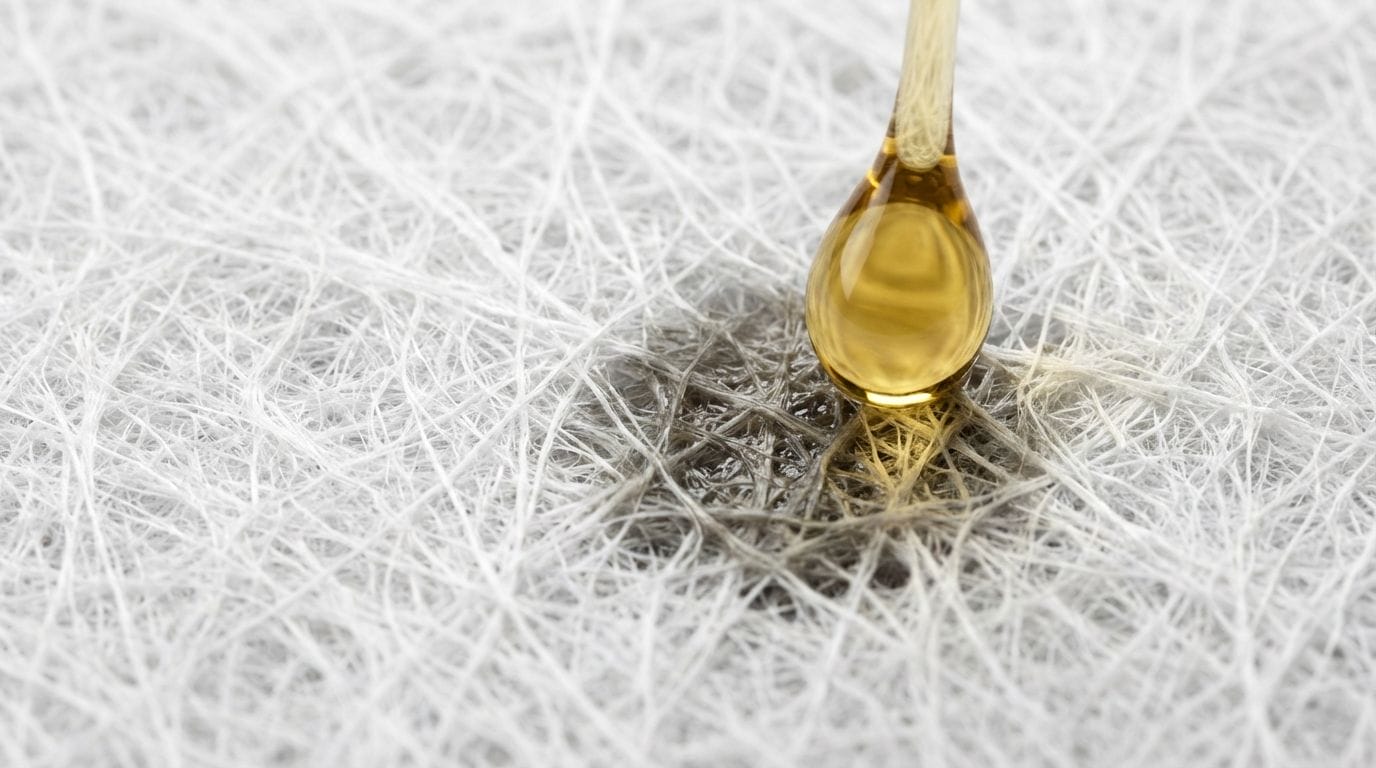
- Consistent sizing and performance
- Strong resistance to solvents and chemicals
- Oil-only absorption with water repellency options
These wipes are designed for factories, workshops, and industrial maintenance. Many help reduce corrosion by locking away moisture and contaminants.
Disposal is simpler and safer too. You use fewer wipes overall, reducing fire risk and waste handling issues.
Environmental and Safety Advantages of Switching to Better Solutions
Modern absorbents hold more oil, so you use fewer materials per cleanup. This reduces waste and lowers environmental impact.
Fewer contaminated materials also mean less risk of spills, leaks, and pollution.
Fire risk drops significantly when you avoid oily cloth piles that can overheat. Safer tools lead to safer workplaces.
Many modern wipes are designed with disposal and compliance in mind, making cleanup safer for both people and the planet.
Conclusion
Old rags may seem convenient, but they leave residue, increase fire risk, and can damage equipment over time.
Switching to heavy-duty oil wipes makes cleanup faster, safer, and more effective. Sometimes one small change really does make work easier and safer.