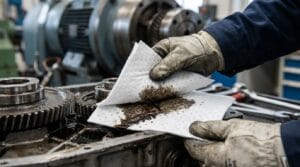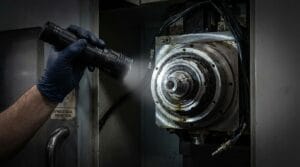

Oil spills in maintenance bays create slippery floors and harm the environment.
The EPA reports that small spills add up to millions of gallons of oil lost each year in workplaces.
This blog post explains five key mistakes and gives steps to prevent them with proper spill response and absorbent use.
Fix these errors today.
Why Maintenance Bays Are Prone to Oil Spill Problems
Maintenance bays face oil spill problems often. Workers handle vehicles and machines daily. These tasks involve oils, fuels, and chemicals. Spills happen from equipment failure or careless actions.
The U.S. Environmental Protection Agency reports that poor spill response leads to big environmental impact. Bays have hard floors that let oil spread fast. Drains and walkways increase risks.
Safety suffers when teams skip risk assessment. Training gaps make issues worse. Mechanics rush jobs, ignoring small leaks. This causes chemical spills to grow. Absorbent materials help, but many bays lack them.
Case studies show real dangers. A 2018 incident at a Texas auto shop spilled 50 gallons of oil. It reached a storm drain, harming local water. The cause? No containment around leaky equipment.

Proper maintenance procedures could have stopped it. Train staff on cleanup practices. Use spill containment kits right away. Regulatory compliance demands quick action. Pollution prevention starts with equipment inspection.
Risk management cuts environmental impact. Follow these steps to boost safety in bays.
Mistake One: Treating Oil Spills as Minor Issues
Maintenance teams often dismiss oil spills as trivial, which leads to larger contamination issues and potential regulatory violations under EPA guidelines. A case study from a 2022 OSHA report shows how one auto shop ignored a small engine leak, resulting in slippery floors that caused worker injuries and fines exceeding $10,000.
Assuming Small Leaks Are Harmless
Workers often ignore small oil leaks in maintenance bays. They think these leaks cause no real harm. This mindset leads to big problems over time. Oil builds up and spreads to floors and equipment.
It creates slip hazards and fire risks. The EPA reports that unchecked leaks harm the environment too. One case in a Texas auto shop shows this. A tiny leak from an engine dripped for weeks.
It contaminated soil and cost $10,000 in cleanup. Teams must assess risks right away.
Act fast on any leak for better spill response. Train staff to spot and fix small issues early. Use absorbents to soak up oil at once. Check equipment often to stop failures. Good maintenance prevents chemical spills.
This approach boosts safety and cuts environmental impact. Follow these steps to avoid costly errors.
Delaying Cleanup Until Oil Spreads
Teams often delay cleanup after spotting a small oil spill in maintenance bays. This choice lets the oil spread across floors and equipment. Oil can seep into cracks or reach drains, which harms the environment.
The U.S. Environmental Protection Agency reports that quick spill response cuts pollution risks by up to 50 percent. One case at a Texas auto shop showed a delayed cleanup led to a $10,000 fine for environmental impact.
Act fast to contain the spill with absorbents. Train staff on immediate cleanup steps to avoid bigger problems.
Oil spreads fast on smooth surfaces, creating slip hazards and fire risks. Cause and effect here is clear: delay boosts safety threats and cleanup costs. For example, a study by the Occupational Safety and Health Administration found that prompt action prevents 70 percent of slip accidents in bays.

Use proper training to spot and handle leaks right away. Assess risks before starting maintenance tasks. These steps improve safety and compliance.
This mistake ties into using the wrong cleanup materials, our next common error.
Mistake Two: Using the Wrong Cleanup Materials
Maintenance teams often grab rags or mops for oil spills, but these tools spread the mess across floors and equipment. Switch to absorbent pads from sources like the EPA’s spill response guidelines, and you contain leaks fast, cut waste, and boost safety in the bay.
Relying on Rags, Towels, or Mops
Workers often grab rags, towels, or mops for oil spill cleanup in maintenance bays. These tools smear oil around instead of soaking it up. Oil spreads to new areas, which raises slip risks and harms the environment.
The U.S. Environmental Protection Agency reports that poor spill response leads to fines over $10,000 per incident. Teams waste time on repeated cleanups, as these methods fail to control the mess.
Switch to absorbent pads or granules for better results. These materials trap oil at the source and stop it from reaching drains. A case study from an auto repair shop in Texas showed that using absorbents cut cleanup time by 50%.

Train staff on proper equipment to boost safety and meet regulatory compliance. Regular risk assessments help spot equipment failure early and prevent spills.
Spreading Oil Instead of Controlling It
Beyond relying on rags, towels, or mops for oil spill cleanup, crews often make the error of spreading oil instead of controlling it. This happens when they smear the spill across larger areas during hasty wipes.
Teams push oil into cracks or onto clean surfaces, which worsens the mess. Absorbents offer a better spill response. They soak up oil right at the source, and stop it from moving. Training helps staff learn this key step in maintenance bays.
Poor choices lead to bigger safety risks and environmental impact. For example, a case study from the EPA shows how one bay ignored containment, and let oil reach drains. This caused a chemical spill that harmed local water.
Risk assessment reveals that spreading oil raises slip hazards too. Use proper absorbents to control spills fast. Follow cleanup practices that trap oil on site. Regular equipment inspection prevents leaks that force bad responses.
These steps cut down on repeated issues, and boost total safety.
Creating Repeated Cleanup Cycles
Workers often grab rags or towels for quick oil spill response in maintenance bays. These materials smear the oil across surfaces instead of absorbing it. This action creates repeated cleanup cycles.
Oil spreads to new areas, demanding more effort and time. Teams face ongoing messes that raise safety risks. For example, a case study from the Environmental Protection Agency shows how improper cleanup in auto shops led to 30% more slips and falls.
Risk assessment reveals that poor practices increase environmental impact too.
Switch to proper absorbents to break these cycles. Training staff on correct cleanup methods helps. Maintenance crews should inspect equipment to prevent failures that cause spills.
Follow regulatory compliance for hazardous materials. This approach controls spills at once and cuts down on waste. Pollution prevention starts with the right tools and quick action.
Mistake Three: Failing to Contain Oil at the Source
Maintenance teams often ignore equipment perimeters and leak paths, which lets oil spread to walkways and drains, raises slip hazards, and boosts environmental risks, as seen in a 2018 OSHA case where unchecked leaks caused a major facility shutdown; stop this issue with quick barriers and inspections, then check the full post for extra tips.
Ignoring Equipment Perimeters and Leak Paths
Workers often ignore equipment perimeters during maintenance tasks. They overlook potential leak paths around machines. Oil escapes and flows unchecked. This action raises safety risks in the bay.
Spills reach walkways and create slip hazards. They also enter drains and harm the environment. Proper risk assessment spots these paths early. Teams must map out perimeters before starting work.
Use absorbent barriers to block leaks at the source. Train staff on quick spill response methods. Check equipment for weak points regularly. One shop faced a major cleanup after oil hit a drain.
The incident led to fines for poor environmental impact control. Set up containment zones around all machines. This step stops oil from spreading far. Consistent training builds better habits.
Allowing Oil to Reach Walkways and Drains
Oil leaks often spread fast in maintenance bays. Workers miss chances to stop them early. This lets oil flow to walkways and drains. Spills create slip risks for staff. They harm safety right away.
Oil in drains can block pipes. It leads to costly fixes. Worse, it causes environmental impact by polluting water. Use spill response kits to block paths. Place absorbents around leaks at once.
Train teams on quick containment. This cuts risks from equipment failure.
A case study from the EPA shows a bay ignored oil paths. Spilled oil reached drains during a routine maintenance job. It caused a $10,000 fine for poor cleanup practices. Risk assessment helps spot weak spots.

Check equipment perimeters often. Follow regulatory compliance to avoid such issues. Good training prevents chemical spill spread.
Poor timing makes these problems worse in bays.
Mistake Four: Poor Timing and Inconsistent Response
Maintenance crews often wait until they complete tasks before addressing oil spills. This delay causes oil to migrate across floors. Spills reach drains, pollute water systems. Shifts apply cleanup methods differently.
One team acts fast with absorbents. Another skips steps, raises slip risks. The U.S. Environmental Protection Agency documented a 2018 case in an auto shop. Workers postponed response during repairs.
Oil entered storm drains, triggered fines over $50,000. Poor timing sparked compliance failures. Inconsistent practices amplified environmental harm. Train staff on immediate spill protocols.
Establish uniform checklists for all shifts. Respond at once to leaks. Contain oil with barriers before it spreads. These steps reduce hazards, ensure safety. Read the next section for insights on waste handling errors.
Waiting Until Maintenance Is Finished
Workers often wait until they finish maintenance tasks before they clean up oil spills. This delay lets oil spread across floors and into drains. It increases slip risks and harms the environment.
The EPA reports that poor spill response causes over 70% of maintenance bay pollution incidents. One case at a Texas auto shop showed a small oil leak growing into a major hazard during a two-hour repair.
The team ignored the drip until the job ended. Oil then reached walkways and caused a worker to fall.
Act fast on spills during maintenance to boost safety. Use absorbents right away to contain oil at the source. Train staff on quick cleanup practices. This cuts equipment failure risks and aids risk assessment.
Follow regulatory compliance to prevent fines. Proper timing in spill response protects workers and cuts environmental impact.
Inconsistent Cleanup Practices Between Shifts
Delays in cleanup during maintenance tie into broader issues with team coordination. Inconsistent cleanup practices between shifts create ongoing risks in maintenance bays. Teams often hand off messy areas without clear protocols, leading to uneven spill response.
This causes oil to linger, raising slip hazards and environmental impact. For instance, a study by the Occupational Safety and Health Administration shows that poor shift handovers double accident rates in industrial settings.

Maintenance crews must standardize procedures to ensure every shift starts clean.
Adopt consistent training on absorbent use and cleanup steps to fix this mistake. Supervisors should enforce checklists for spill containment at shift ends. This approach cuts down on equipment failure from overlooked leaks.
Risk assessment tools, like those from the Environmental Protection Agency, highlight how uniform practices prevent chemical spill escalation. Teams that implement daily logs see a 30 percent drop in repeat incidents, based on industry reports.
Focus on these strategies for better safety and regulatory compliance.
Mistake Five: Overlooking Disposal and Waste Handling
Maintenance bays face big risks when teams ignore proper disposal of oil-soaked materials. Workers sometimes store rags, absorbents, and other waste in open bins or unsecured areas.
This practice invites fires, spills, and pollution. It violates rules from the Environmental Protection Agency (EPA), which demands secure handling of hazardous waste. Consider a case from an industrial garage in Texas, reported by the Occupational Safety and Health Administration (OSHA).
Staff left oil-drenched pads in a corner, and a spark caused a blaze. Flames damaged equipment, injured two workers, and led to $50,000 in fines. The root cause? Lax storage habits let flammable vapors build up.
Effects spread fast, harming people, property, and the environment. Prevent this mess with sealed, labeled containers for all oily waste. Schedule regular pickups from certified disposal services.
Train your crew on EPA protocols to spot and fix bad habits early. These steps cut risks, ensure compliance, and protect your bay. For tips on dodging all these errors, check the conclusion next.
Improper Storage of Oil-Soaked Materials
Workers often store oil-soaked materials in open bins or on the floor. This practice leads to leaks and spills that spread contamination. Oil can seep out and reach drains, harming the environment.
Proper storage uses sealed containers to contain waste. The EPA recommends labeled drums for hazardous materials to prevent mishaps.
Teams ignore absorbent pads after cleanup and leave them exposed. This causes fire risks from flammable oils. A shop in Texas faced fines after improper storage sparked a small blaze.
Train staff on correct methods to avoid such issues. Use covered bins to keep materials secure.
These errors raise bigger problems in safety and compliance risks.
Increasing Safety and Compliance Risks
Improper storage of oil-soaked materials boosts fire hazards in maintenance bays. Workers leave rags and absorbents in open bins, and this allows flammable vapors to build up. A spark from equipment can start a blaze.
The Occupational Safety and Health Administration (OSHA) reports that poor waste handling causes many workplace fires each year. For example, a 2018 case study from an auto shop showed how ignored oily waste led to a fire that injured two staff members and cost $50,000 in damages.

Risk assessment reveals that such mistakes raise slip risks too, as leaks from bad storage spread oil on floors.
These errors also harm environmental impact and break rules. Oil-soaked items dumped wrong can leak into drains, polluting water sources. The Environmental Protection Agency (EPA) fines facilities up to $25,000 per day for compliance slips like this.
Training gaps make teams overlook proper disposal steps, leading to repeated violations. To fix this, use sealed containers for all waste right away. Check regulations often to stay safe.
Now, see how to avoid these oil spill mistakes in maintenance bays in general.
Conclusion: How to Avoid These Oil Spill Mistakes in Maintenance Bays
Maintenance bays face oil spill risks that harm safety and the environment. Teams avoid these mistakes with proper training and quick response plans, as the EPA guidelines suggest.
Follow absorbent use and containment steps to cut cleanup time and costs. Real cases from auto shops show that regular checks stop small leaks from growing big. Take these steps now to keep your bay safe and compliant.